Blog automation
Choose the Eastern Time days and hour for quality-gated generation and automatic publication. Generation and automatic publication stay off until you turn them on. Failed articles are withheld. Manual edits are never overwritten.
Next automation cycle
Tue 2026-10-20 at 6:00 AM ET is already filled. No new automated article will be generated.
Last cycle: publish_due () · 10/15/2026, 2:11:04 PM
Preview first and read the exact IDs. Confirming archives non-fall automated drafts (recoverable), takes blocked leftover scheduled articles off the automation cadence, and quality-checks up to five fall candidates per batch. The strongest passer is published only after every remaining fall candidate has been checked; the rest are scheduled on the saved automation days. Published, manual, imported, Create Blog Article drafts, and already-scheduled articles that can actually go live are left alone.
Dry run — no records were changed yet.
Loaded with Blog Admin. Leftover IDs come from a dedicated scan of automated drafts and scheduled leftovers, not the mixed draft page. Read the exact IDs, then Confirm to apply.
Skip (protected drafts/scheduled): 0 · 566 published left alone
Archive candidates: 0
Unschedule blocked leftovers: 0
Evaluate now (max 5): 0
Evaluate remaining: 0
Retain: 0
Will stamp AI disclosure on 19 already-published automated article(s) without changing dates.
IDs that would be archived
None
IDs quality-checked in this batch
None
Protected IDs (left alone)
None
WordPress import is a later phase. Current article records already store slug, original dates, authorship, and WordPress IDs so that migration will not require copying posts one by one.
WordPress JSON migration
Import your WordPress blog export (JSON) as drafts, then migrate the image files separately. Posts keep their original dates, authors, slugs, and WordPress URLs. Nothing is published or emailed until you publish it from Blog Admin.
Step 1 — Import posts (JSON)
Step 2 — Migrate images (ZIP)
Select one prepared image ZIP. Images are extracted in your browser and uploaded one at a time to permanent Base44 storage. Each successful upload is saved to a mapping table, so a reload or a later ZIP never re-uploads the same file. After a ZIP finishes, apply the saved mappings to rewrite the image links inside your imported posts.
Featured-image manifest (optional but recommended)
A CSV with wordpress_post_id and original_url columns. The apply step uses it to set each post's cover_image_url when that image has been migrated. Covers are never cleared.
Apply mappings to blog posts
Rewrites <img src> and href references that point at WordPress upload paths to their new Base44 URLs, across all content parts, and assigns covers from the manifest. Idempotent: already-migrated links and existing covers are never touched. Unresolved references are reported, not guessed.
Images are stored publicly — each file gets a permanent public URL that never expires, and anyone with the link can access it. BlogPost records are only modified when you press Apply, and only the fields that change.
Imported posts are excluded from blog automation and the AI transparency box. Old WordPress URLs are preserved on each post and resolved by a catch-all redirect route, so existing Google links keep working after the domain switch.
WordPress import
Preview a WXR export first. Confirming writes human-authored posts with original dates, authors, slugs, and WordPress IDs. They do not enter the leftover audit or scheduled blog automation.
Imported human posts keep original dates, authors, slugs, and WordPress IDs. They will not be auto-scheduled or given the AI transparency box unless later rewritten by AI.
Leftover automated drafts
These IDs still need Preview audit. They come from a dedicated leftover scan of automated drafts and scheduled leftovers, not a mixed recency window. Quality-passed articles wait in Approved backlog above, not here. Create Blog Article drafts do not appear in this list.
No unaudited automated drafts
Quality-passed articles wait in Approved backlog. Create Blog Article saves a one-off draft and does not add to this queue.
Blog Admin
Write, schedule, unpublish, and pause automation without losing manual control.
Helpful
0
Thumbs up across all articles
Not helpful
0
Thumbs down across all articles
Save to My Library
4
Library saves across all articles
Totals cover all 607 articles in Blog Admin, including drafts and archived posts. Legacy Like / Love / Inspiring clicks are not included.
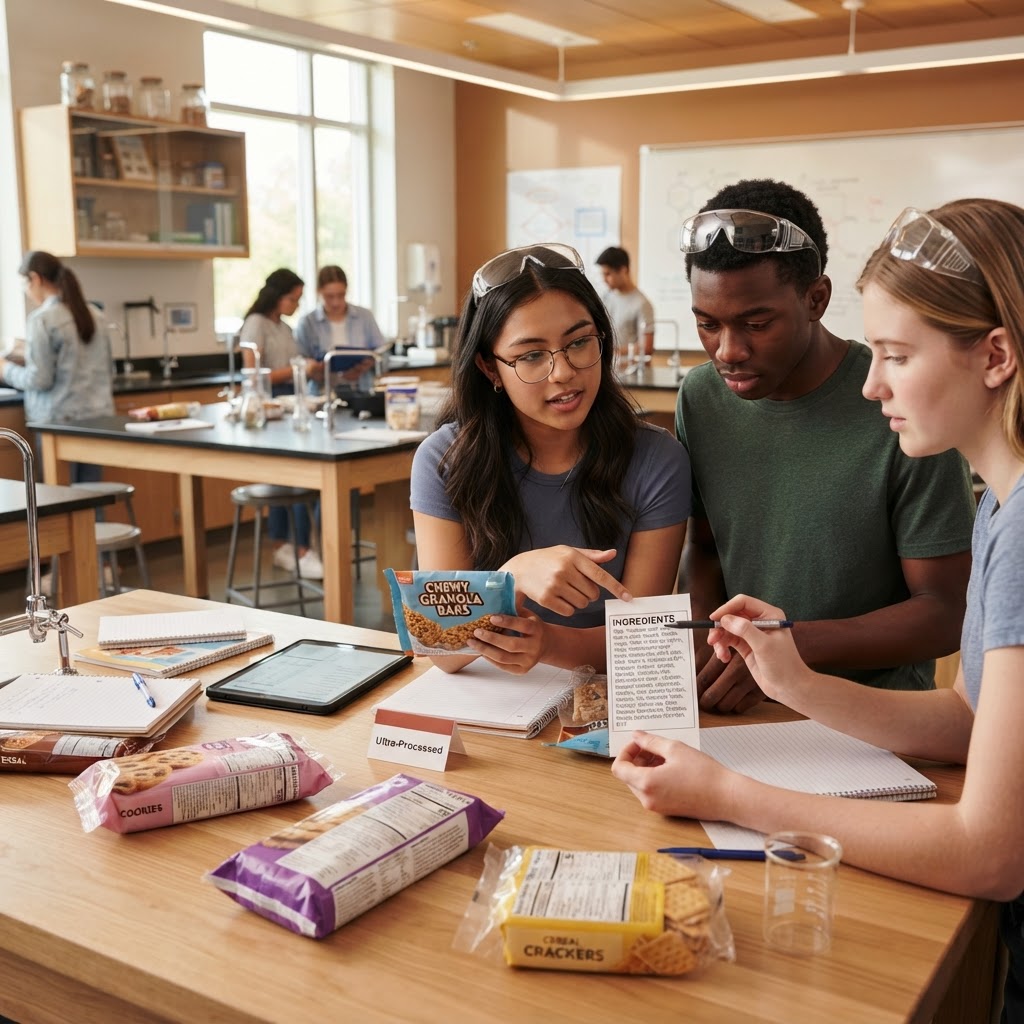
Beyond the Nutrition Facts: A Classroom Guide to Analyzing Ultra-Processed Foods
Why selected: High teacher interest in analyzing ultra-processed labels was explicitly requested; fits current high school pedagogical needs for critical reasoning.
Quality gate passed · 770 words · about grade 12.3
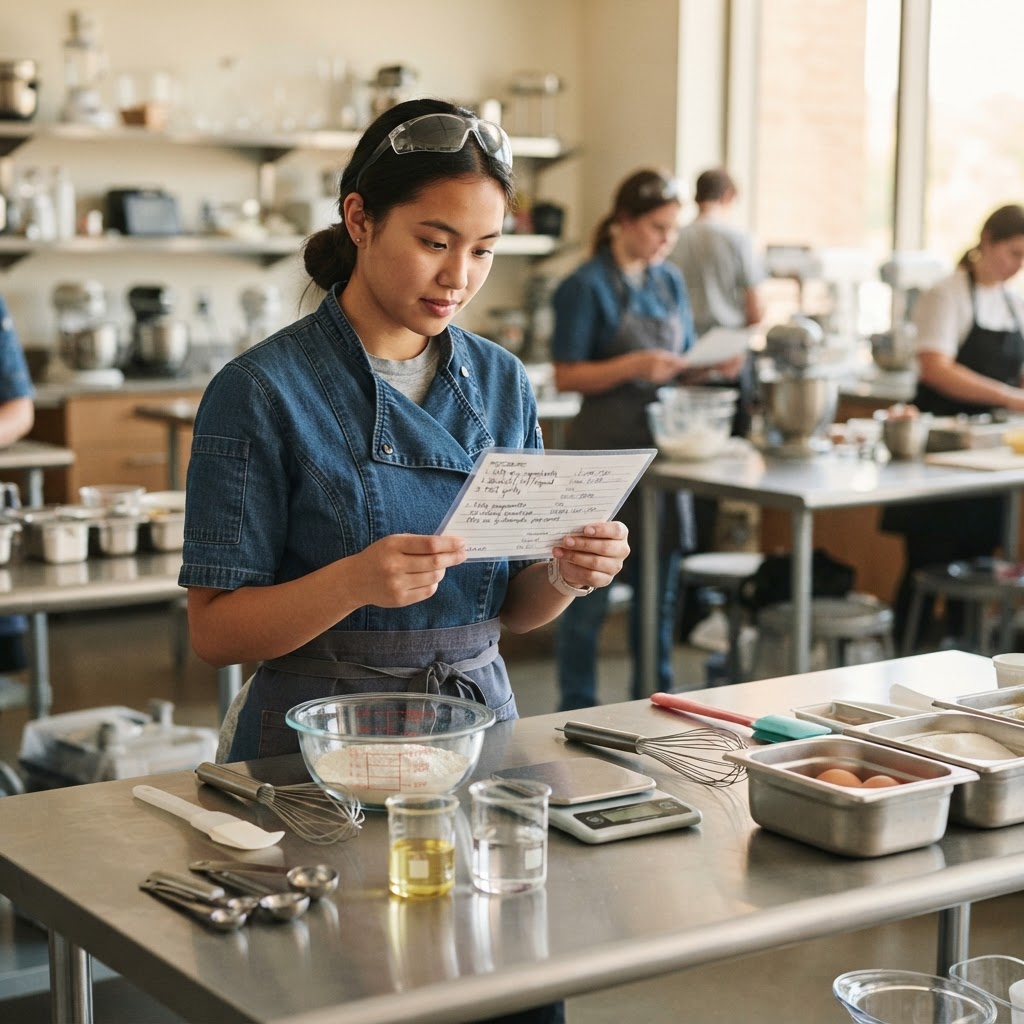
Decoding the Recipe: Moving Students Beyond Following Steps to Understanding Procedures
Why selected: High search volume for 'how to read a recipe' combined with thin inventory in 'Measurement' and 'Lesson Notes'. It bridges the gap between the 'what' (ingredients) and the 'how' (process).
Quality gate passed · 703 words · about grade 10.6

Why Does Bread Rise? A Simple Yeast Fermentation Experiment for the Classroom
Why selected: Manually requested topic: Why Does Bread Rise? The Food Science of Yeast and Fermentation Write an engaging, practical article explaining how yeast makes bread dough rise. Explain how yeast uses fermentable sugars and produces carbon dioxide and ethanol during alcoholic fermentation, how carbon dioxide becomes trapped in the dough's gluten network, and how temperature, sugar availability, and salt affect yeast activity. Connect the science to common classroom baking experiences and include a simple experiment comparing yeast activity under different conditions. Make the science accessible to teachers who may not have a strong science background.
Quality gate passed · 704 words · about grade 11.1
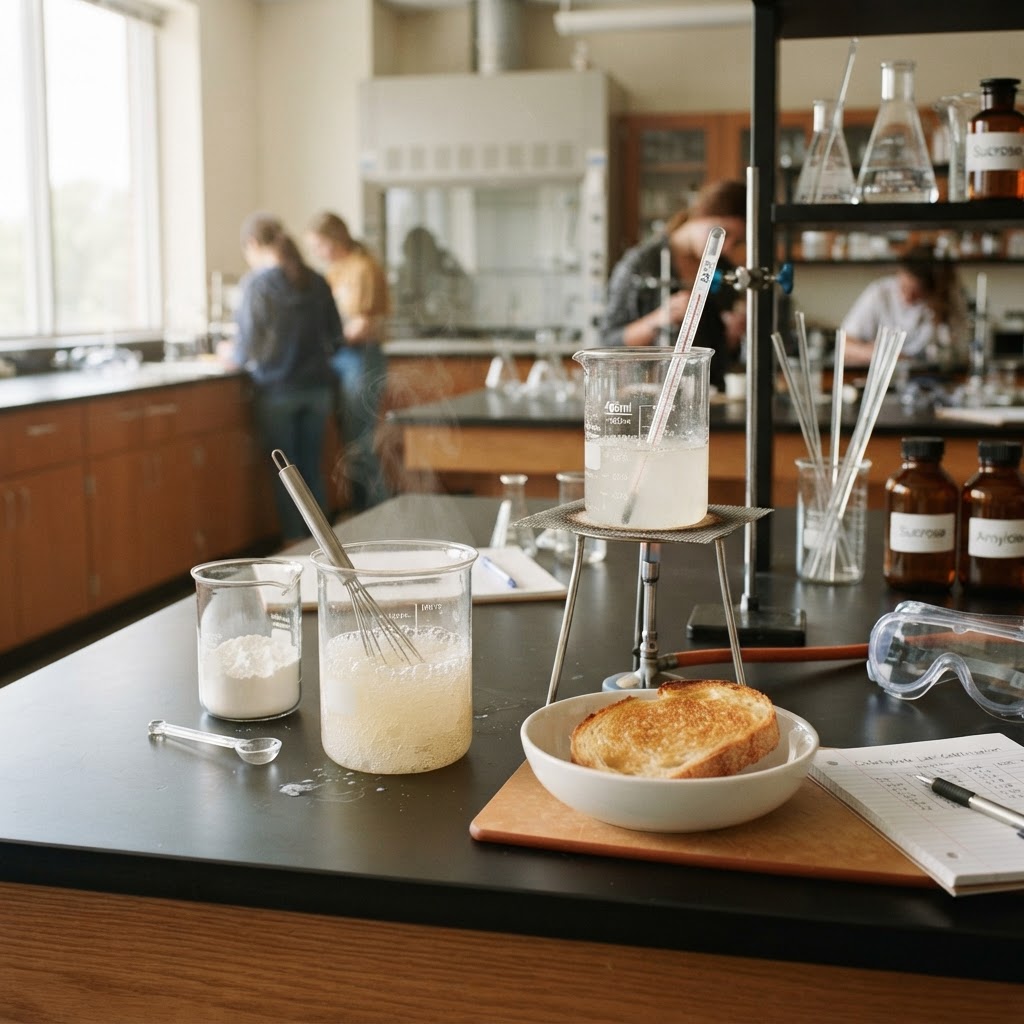
How to Teach Carbohydrate Chemistry Without Being Overly Sciency
Why selected: Manually requested topic: How to Teach Carbohydrate Chemistry Without Being Overly Sciency
Quality gate passed · 1714 words · about grade 10.6
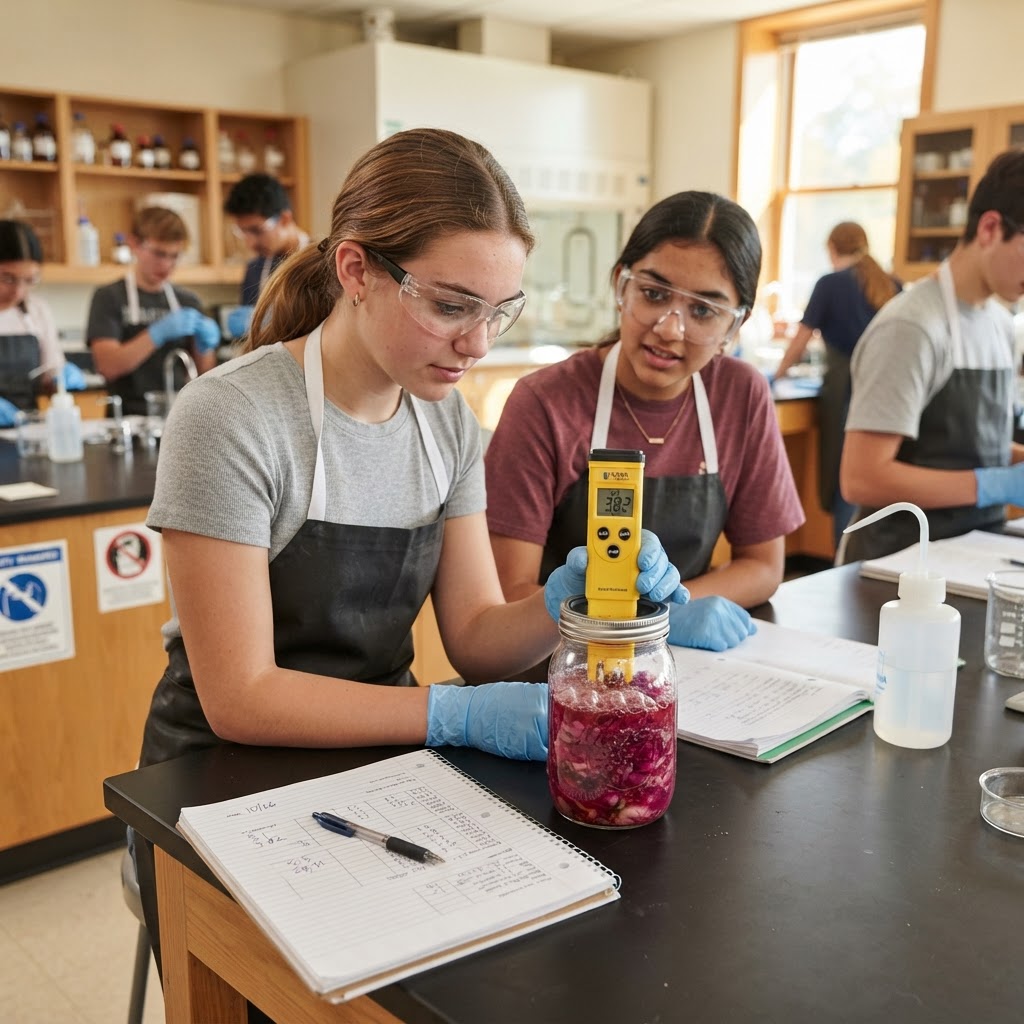
Teaching Microbes: How Fermentation Transforms Food
Why selected: There is strong interest in food chemistry and labs, but existing content leans heavily on safety and basic recipe literacy; this offers a higher-level 'food chemistry' exploration.
Quality gate passed · 760 words · about grade 12
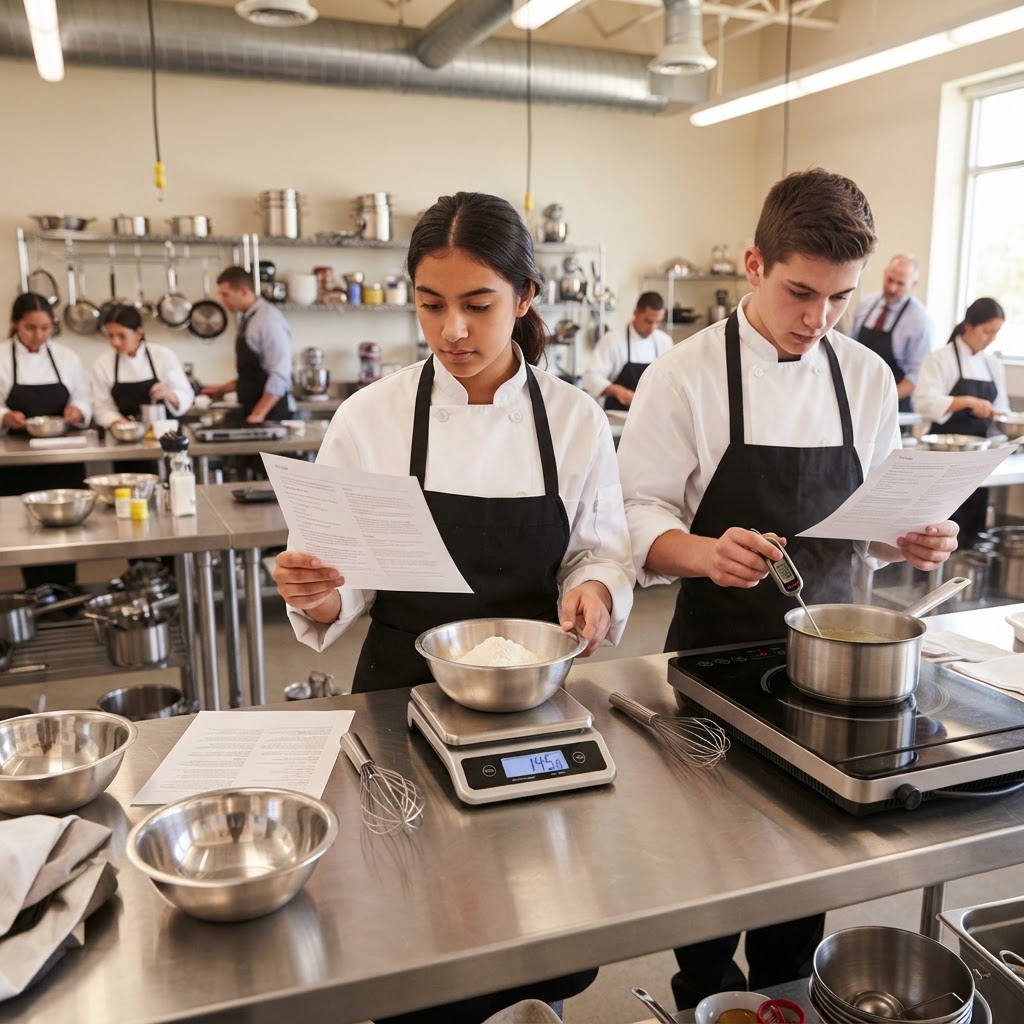
Beyond the Ingredients: Teaching Students How to Actually Read a Recipe
Why selected: High search volume for 'how to read a recipe' combined with a gap in our current blog content regarding basic literacy in procedural writing.
Quality gate passed · 702 words · about grade 11.1


A Complete Guide on How to Write Up a Science Research Paper

Food Fraud: Understanding the Impact on Safety, Quality, and Trust

Cross-Functional Collaboration in Food Safety: How to Effectively Work Across Different Business Units to Achieve Food Safety Goals

Food Liability Insurance for Restaurants and Food Trucks - Frequent Questions Asked


Most Frequently Asked Questions About Gardening - A Comprehensive Guide

Considerations When Planning and Conducting Scientific Experiments







Make the Kitchen Your Lab: 10 Chemistry Experiments to Explore with Students


Lab Activity: Separating Gluten from Wheat Flour


Understanding Food Defense: Protecting Our Food from Harm


How to Read and Understand Nutrition Labels

Mastering Food Safety: Essential Tips for Safe Food Handling

Lesson Plan: Practices and Procedures for Assuring Personal and Workplace Health and Hygiene

Controlling Enzymatic Browning in Apple Slices

Exploring Enzyme Activity: The Breakdown of Starch by Salivary Amylase

What I Wished My Food Science Students Mastered in High School


Leveraging Academic Food Research Experience for a Successful Industry Career

The Positive Effects of Food Processing: Not All Processed Foods Are Bad

Ensuring Food Safety When Transporting Frozen Food: Tips for Summer Trips

Do Artificial Sweeteners Actually Help in Weight Loss? A summary of Yang (2010)


Expanding Your Restaurant with an Equipment Finance Loan


The Word’s Most Expensive Coffee Comes from Cat Poop

Decoding Food Labels: What Do They Really Mean?


How to Achieve Nutrition Without Compromising Taste




From Confusion to Clarity: Steps to Evaluate and Select a Nourishing Diet Plan

Exploring the Flow of Energy in Ecological Communities

Enigmatic Enzymes: Unraveling the Scientific Method in Food Science

Exploring the Vital Role of Food Science in Ensuring Food Safety

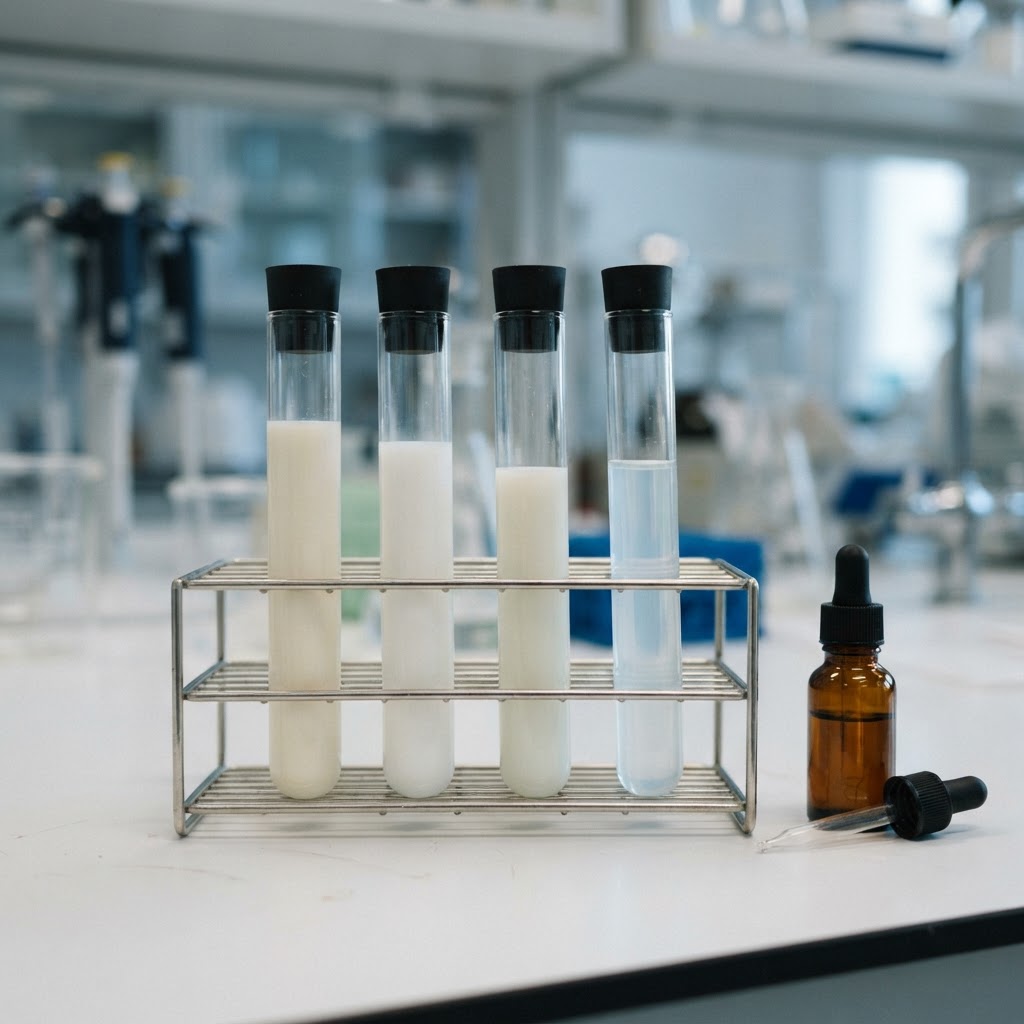

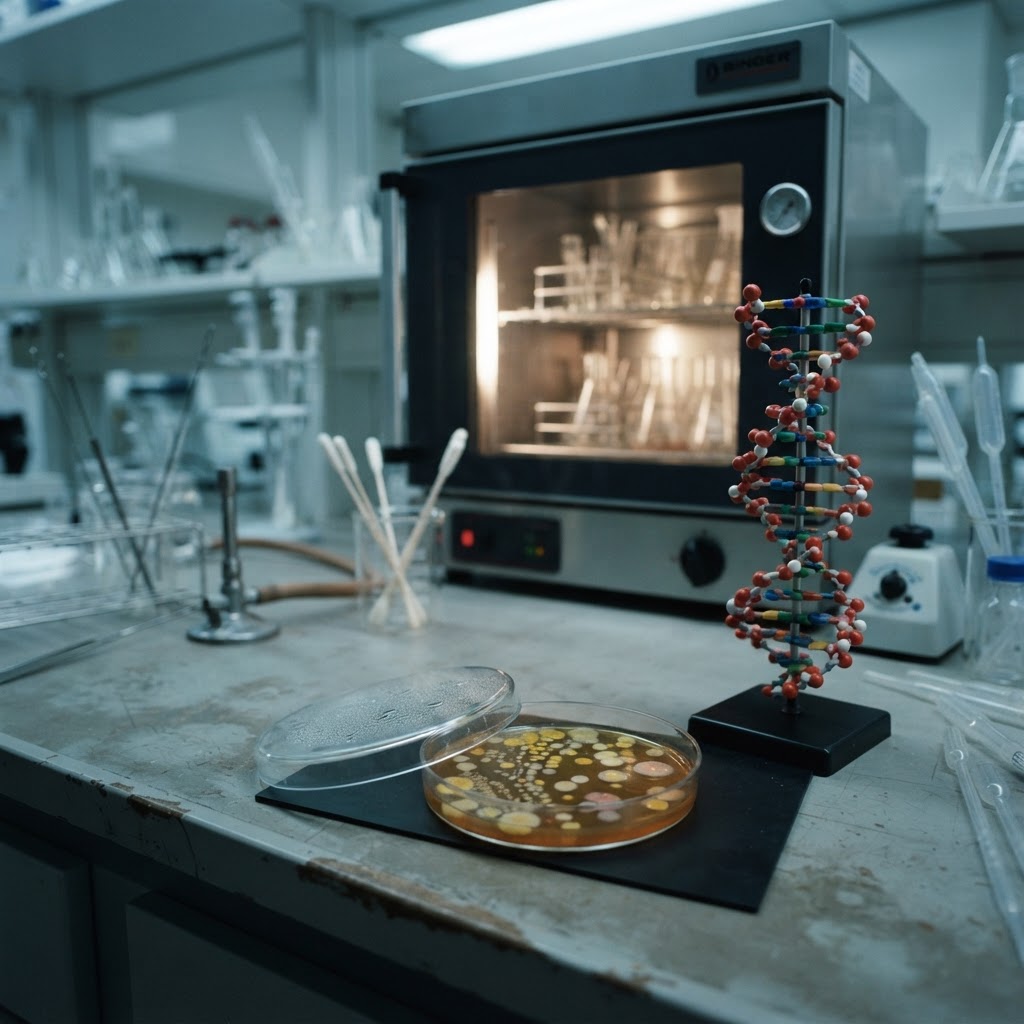
Prokaryote Gene Expression at the Initiation of Transcription
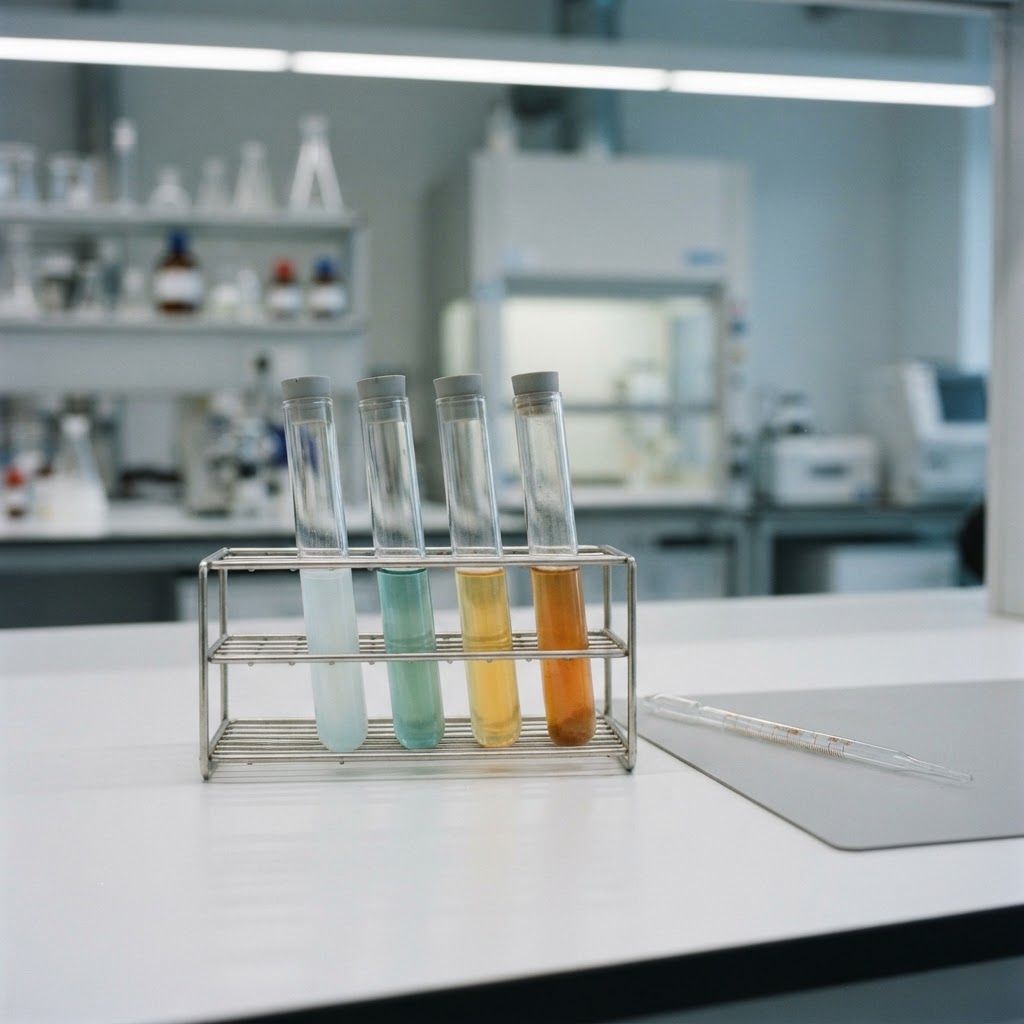
Qualitative Evaluation of Lactose Content in Milk
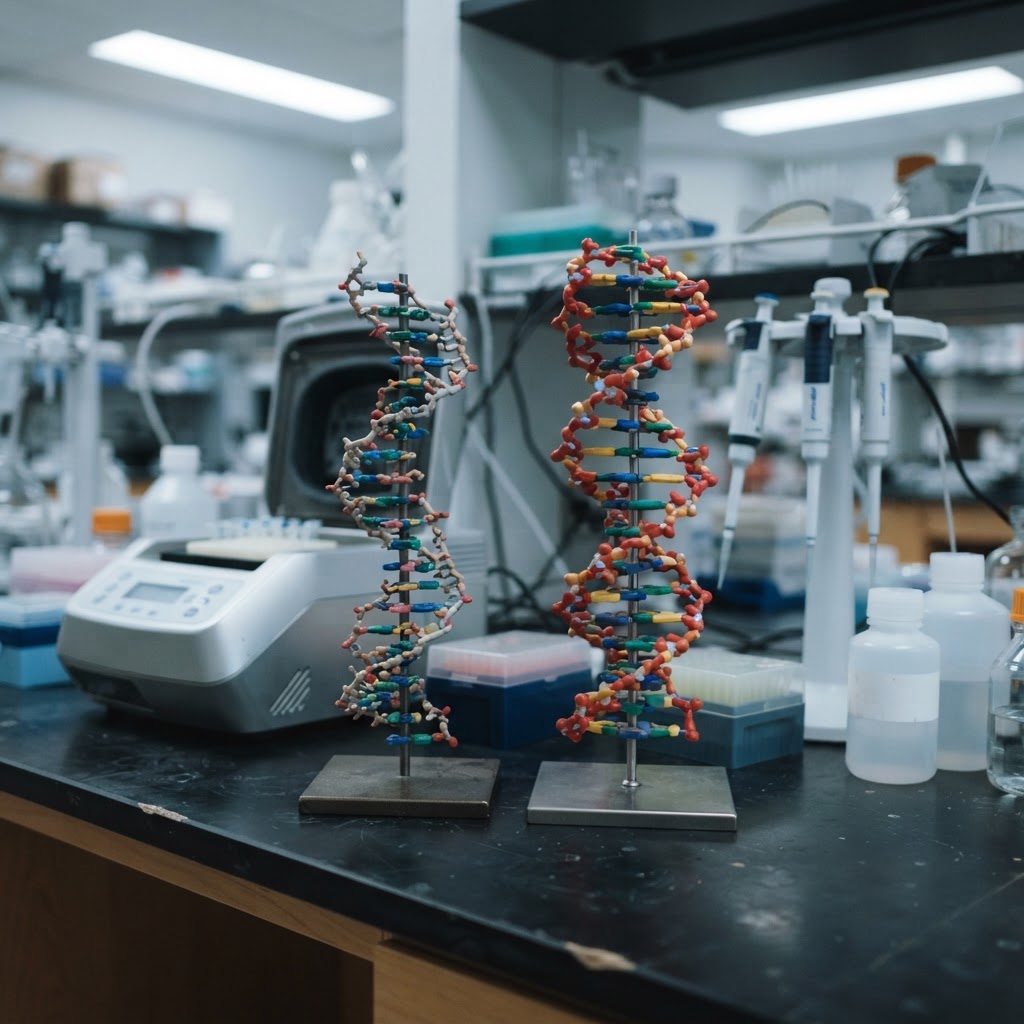

Transcription in Prokaryotes - A Few Basic Concepts

Examples of Translational Control in Prokaryote Gene Regulation

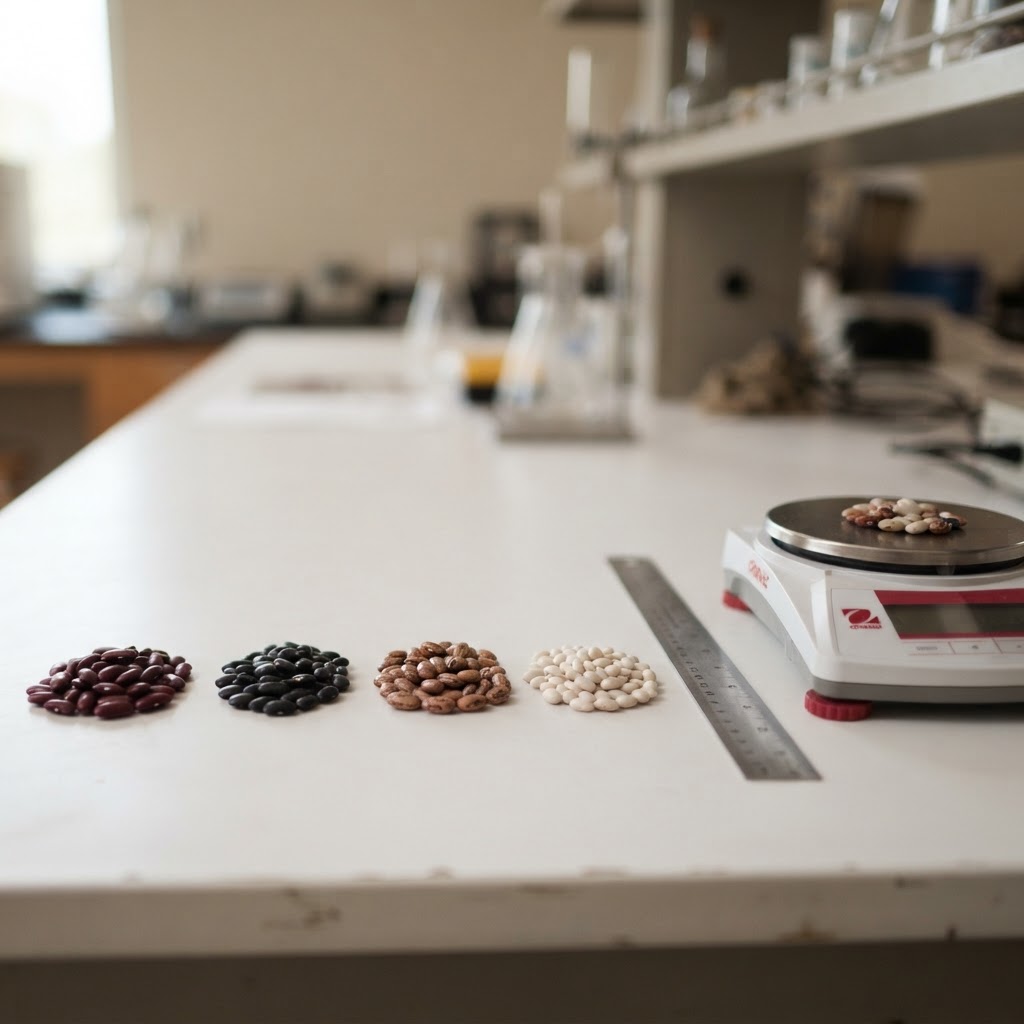
Variation in Physical Properties Across Selected Bean Market Classes
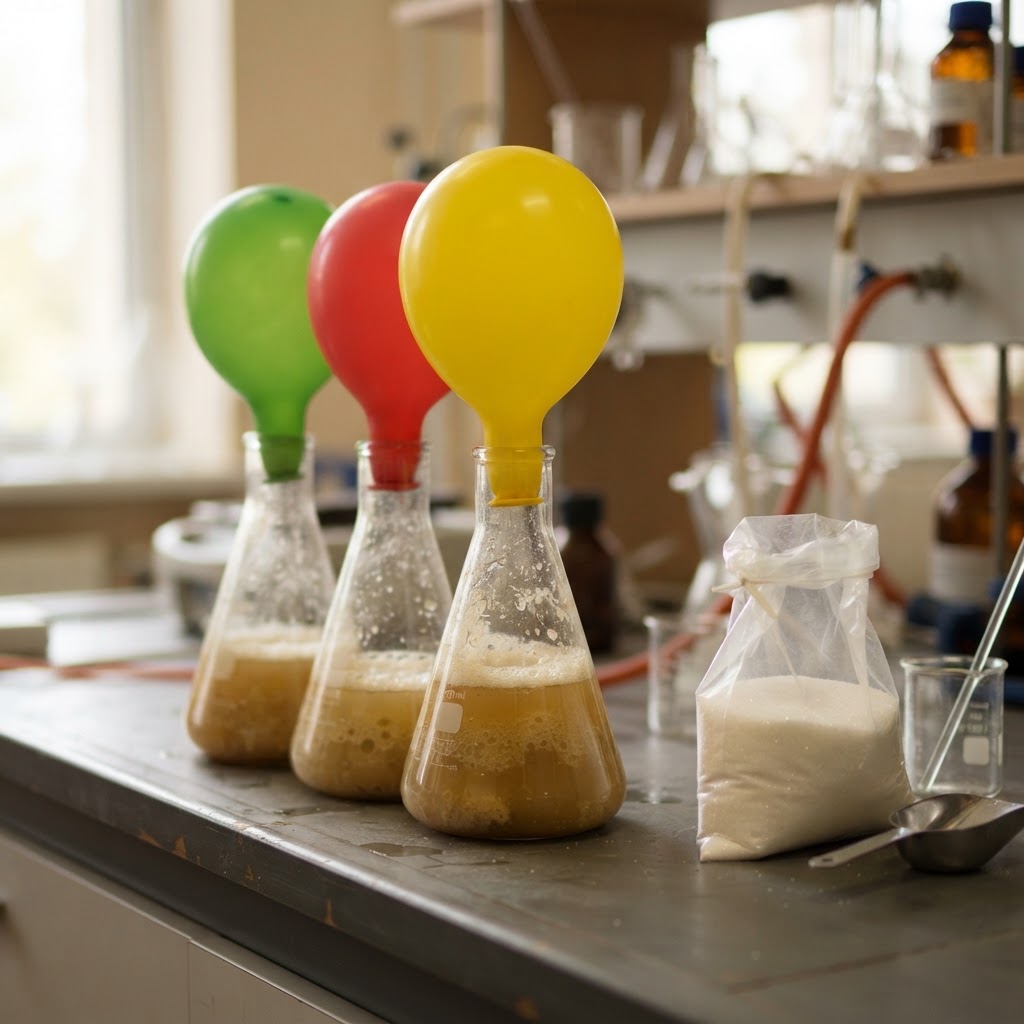
How Does The Type of Sugar Affect Yeast Fermentation Rate?
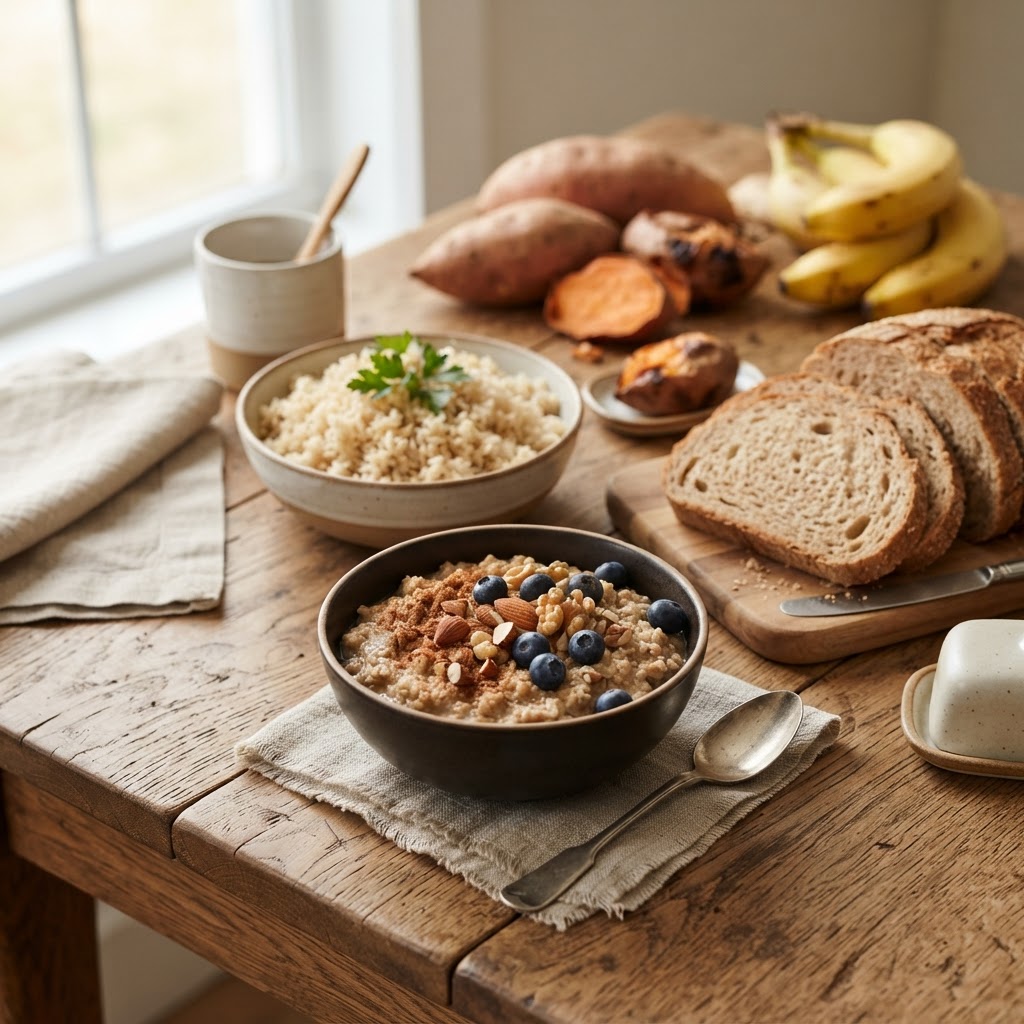
What Are Functional Carbohydrates, And Why Should You Care About Them?


Science Laboratory Safety Rules You Must Not Forget
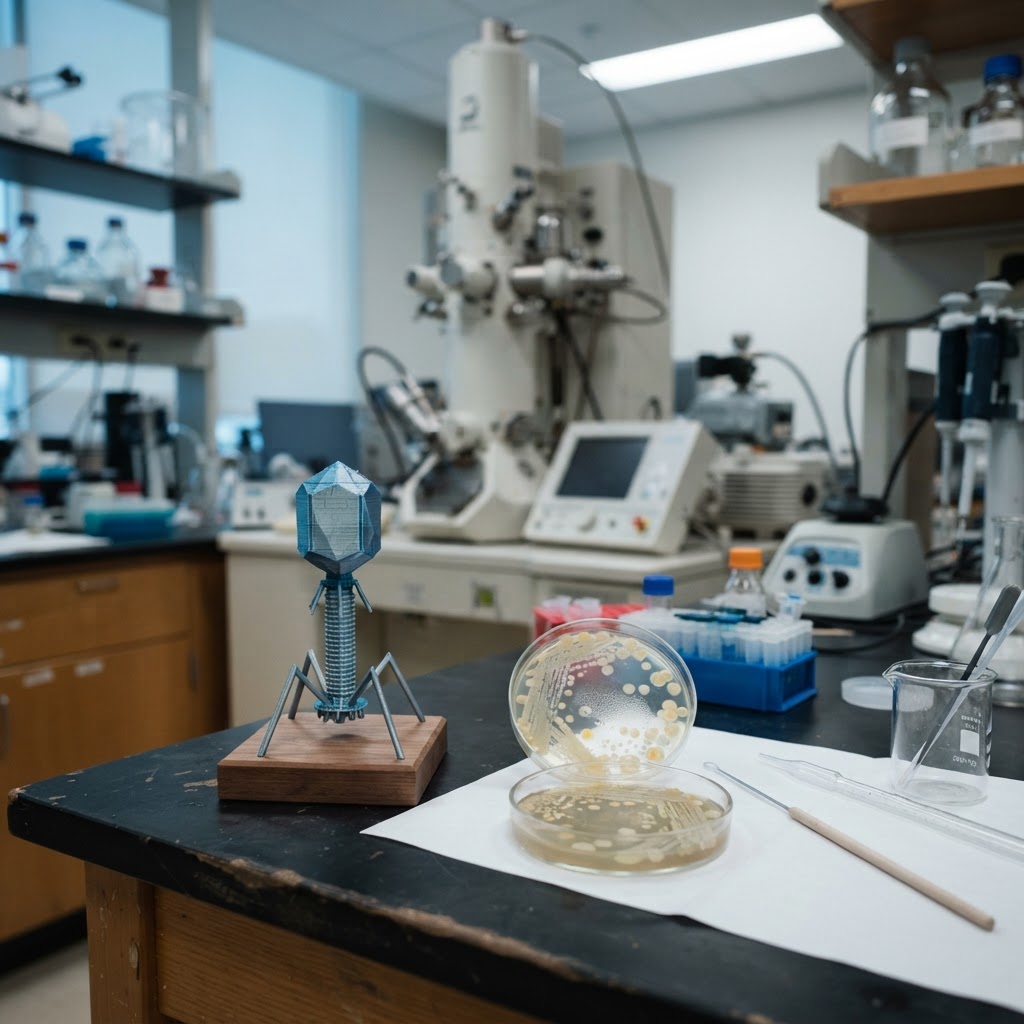
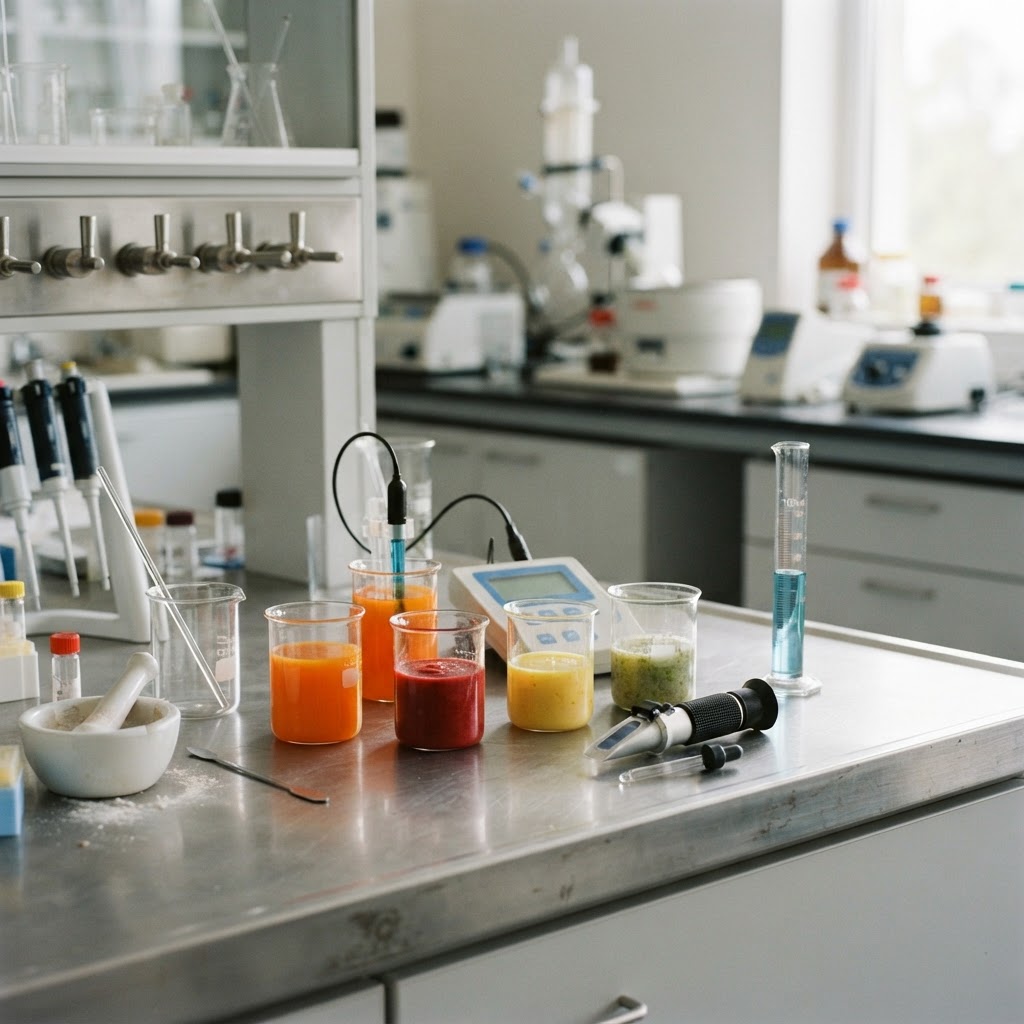
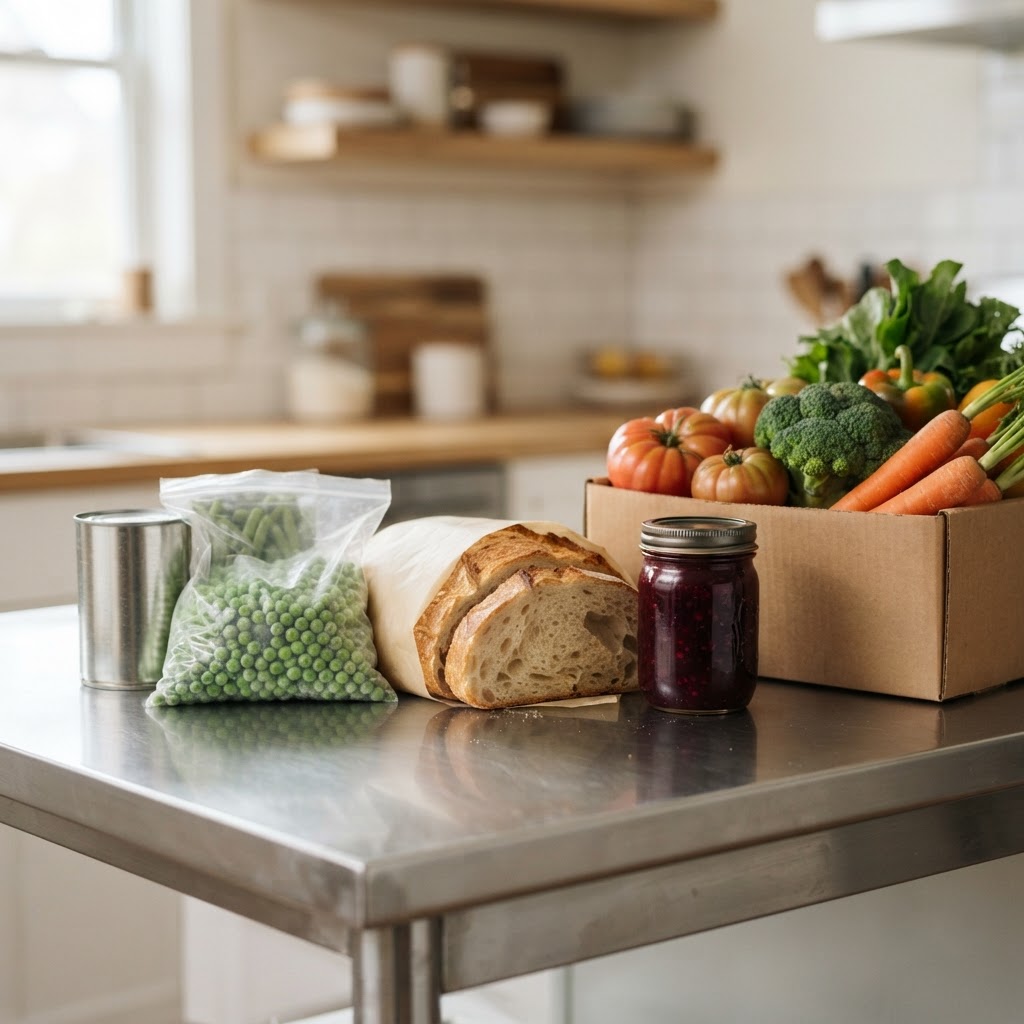
Are There Any Benefits of Eating Processed Foods?
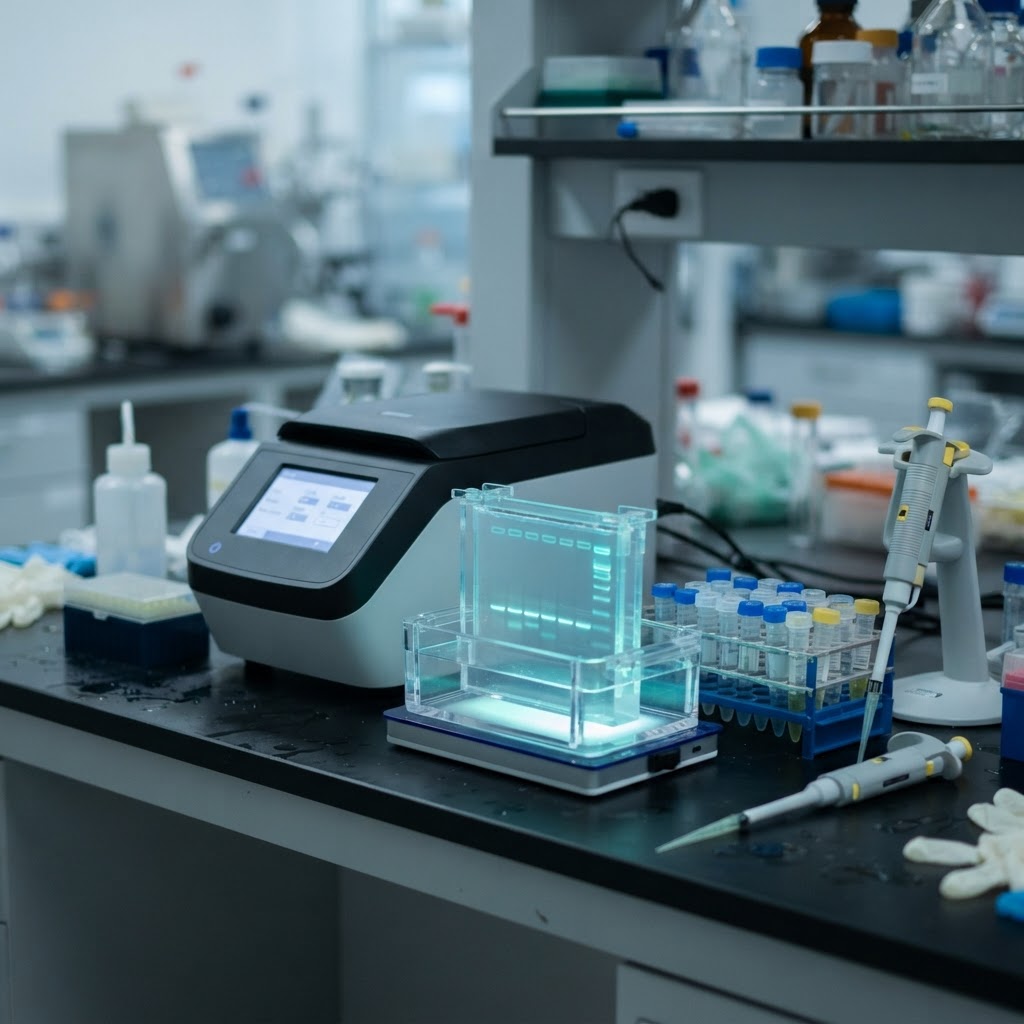

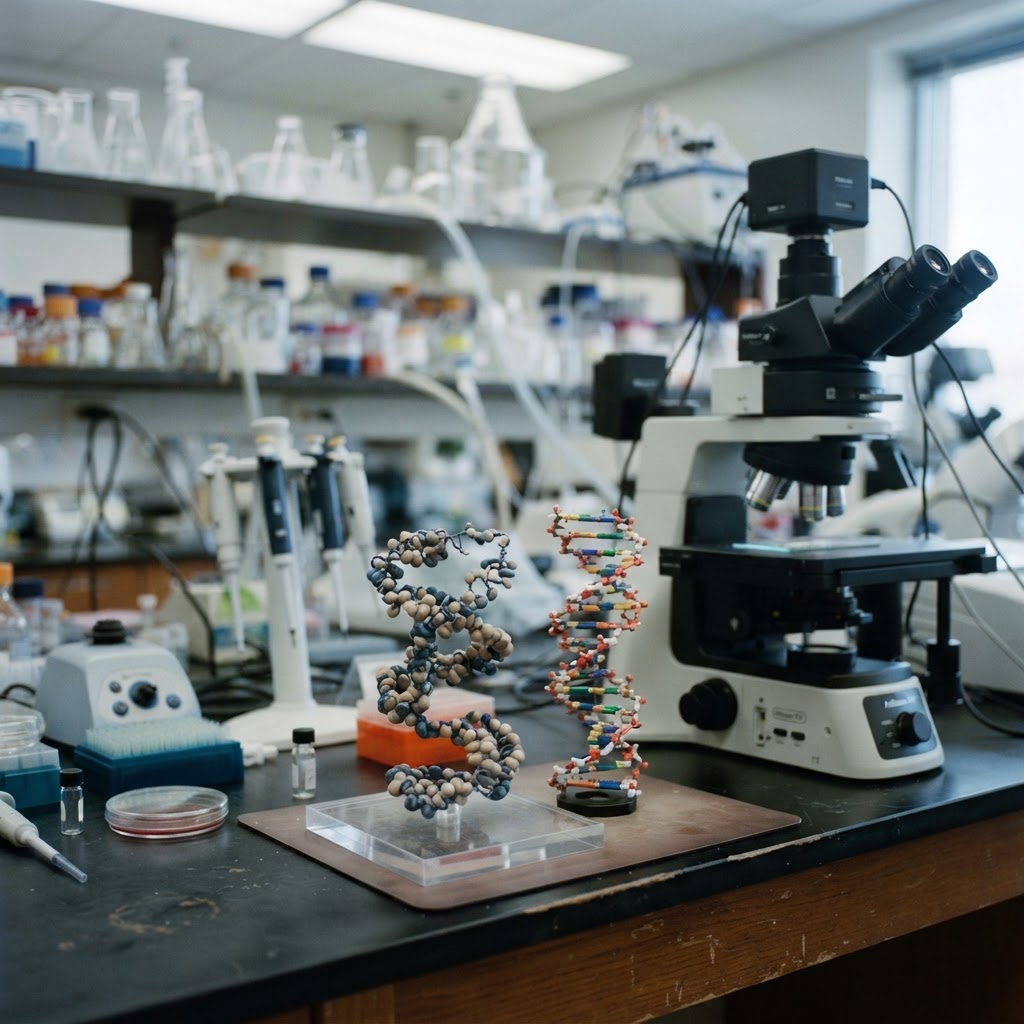
Regulation of Gene Expression: Chromatin and DNA Modification
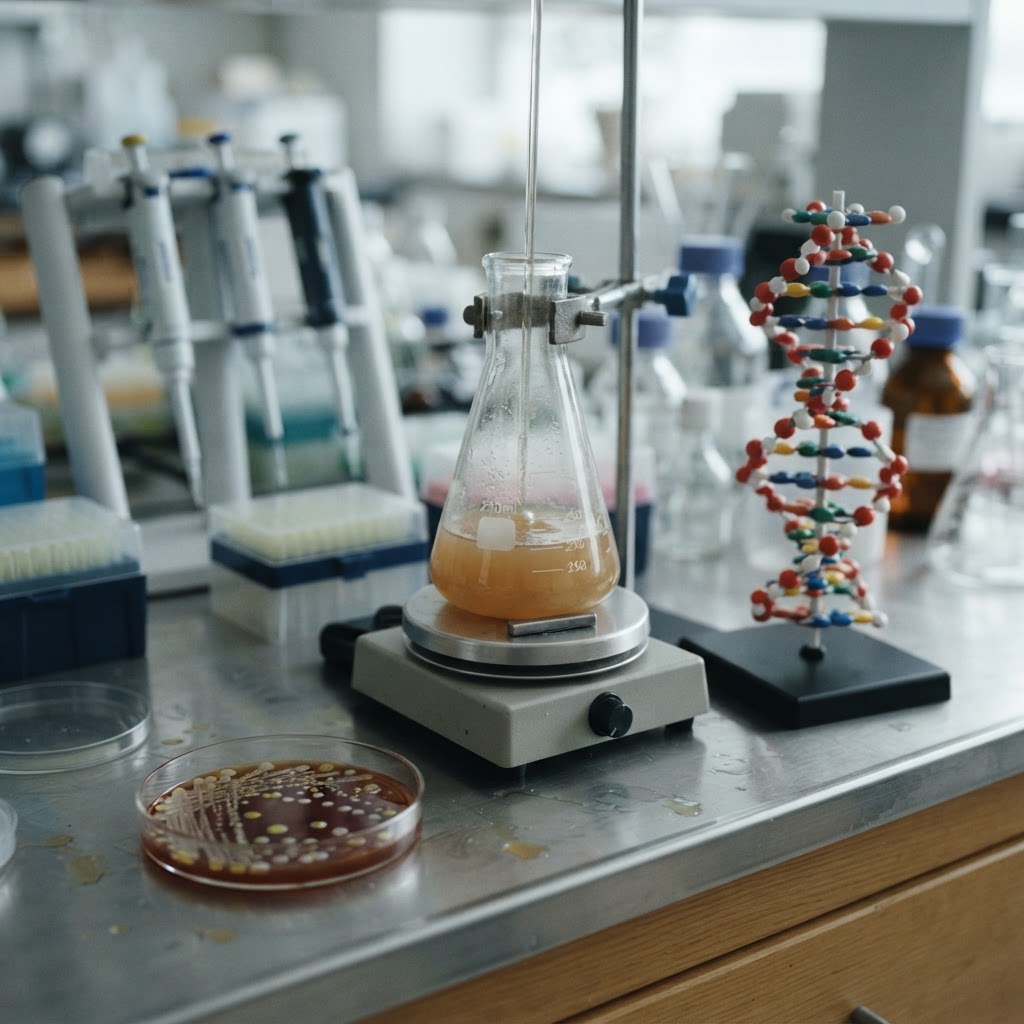
Regulation of Gene Expression: The Lac and Trp Operon

What is the Role of the Chromosome in Inheritance?




Heartburn: What Foods to Eat and What Foods to Avoid


Summary of Phytochemicals and Their Role in Cancer Prevention


What you need to know about finding a restaurant loan


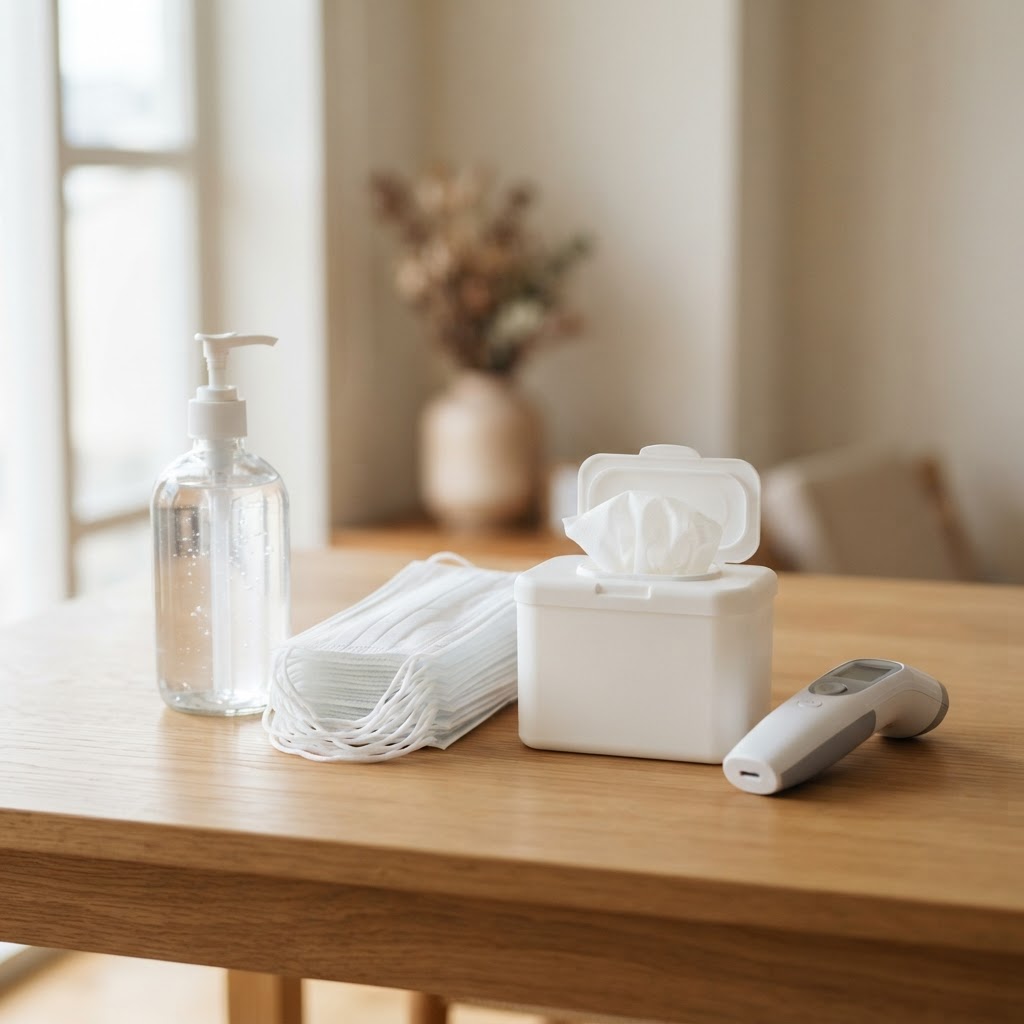
How to Prevent the Spread of Infectious Diseases

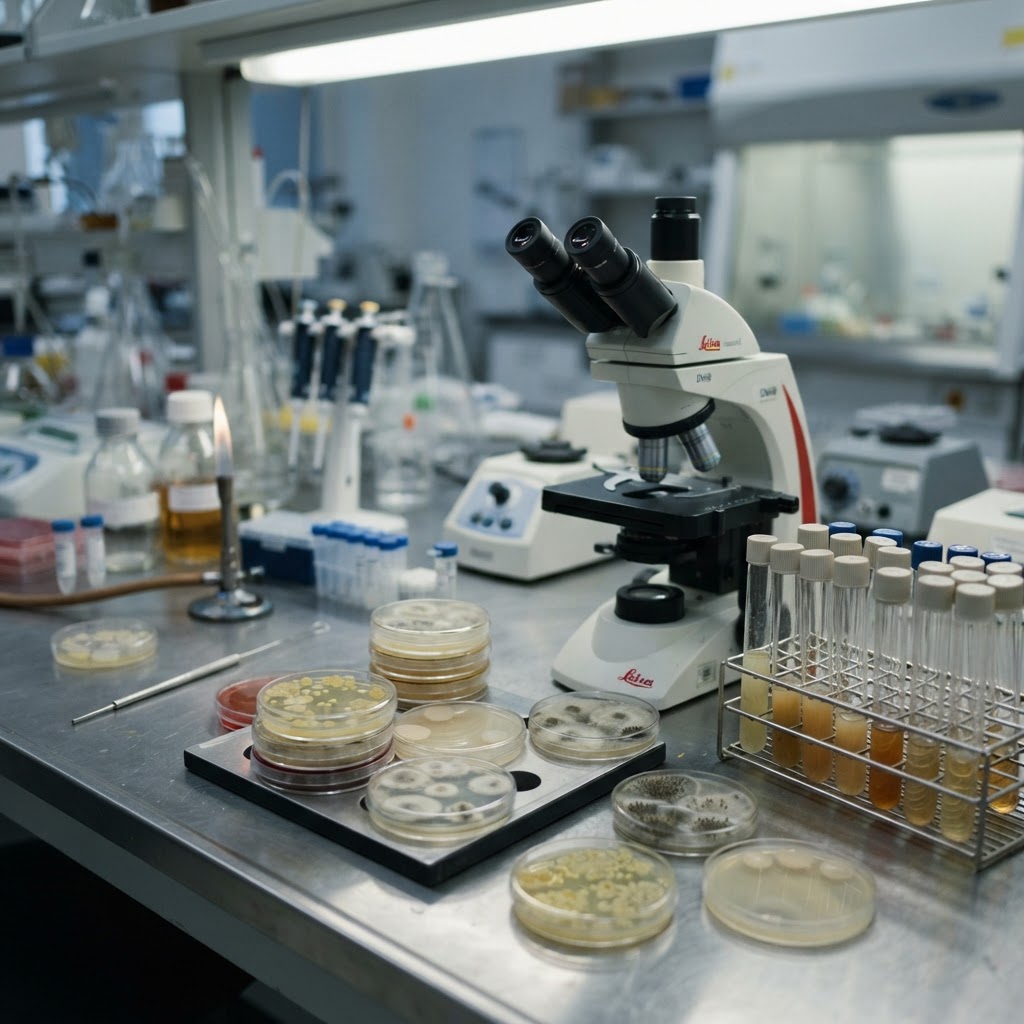

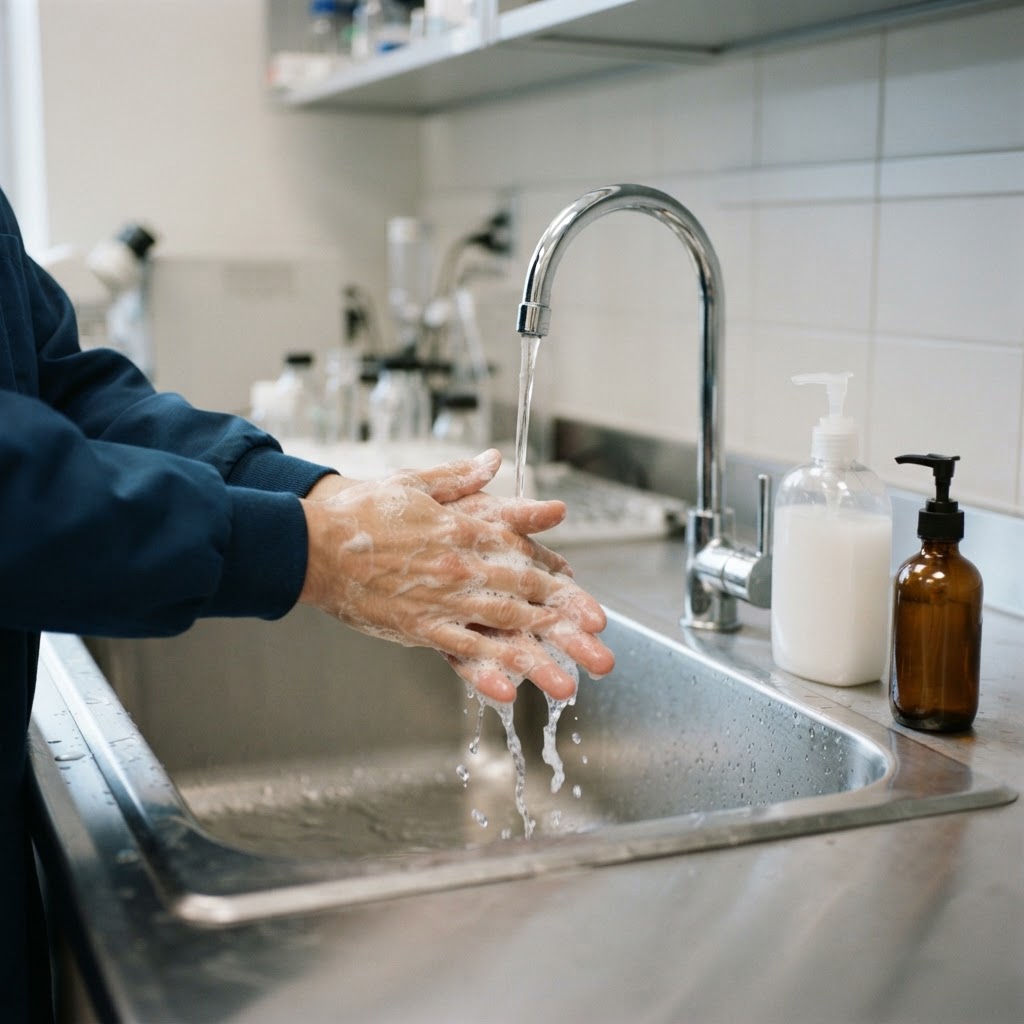
Do You Really Need to Wash Your Hands for 20 Seconds?
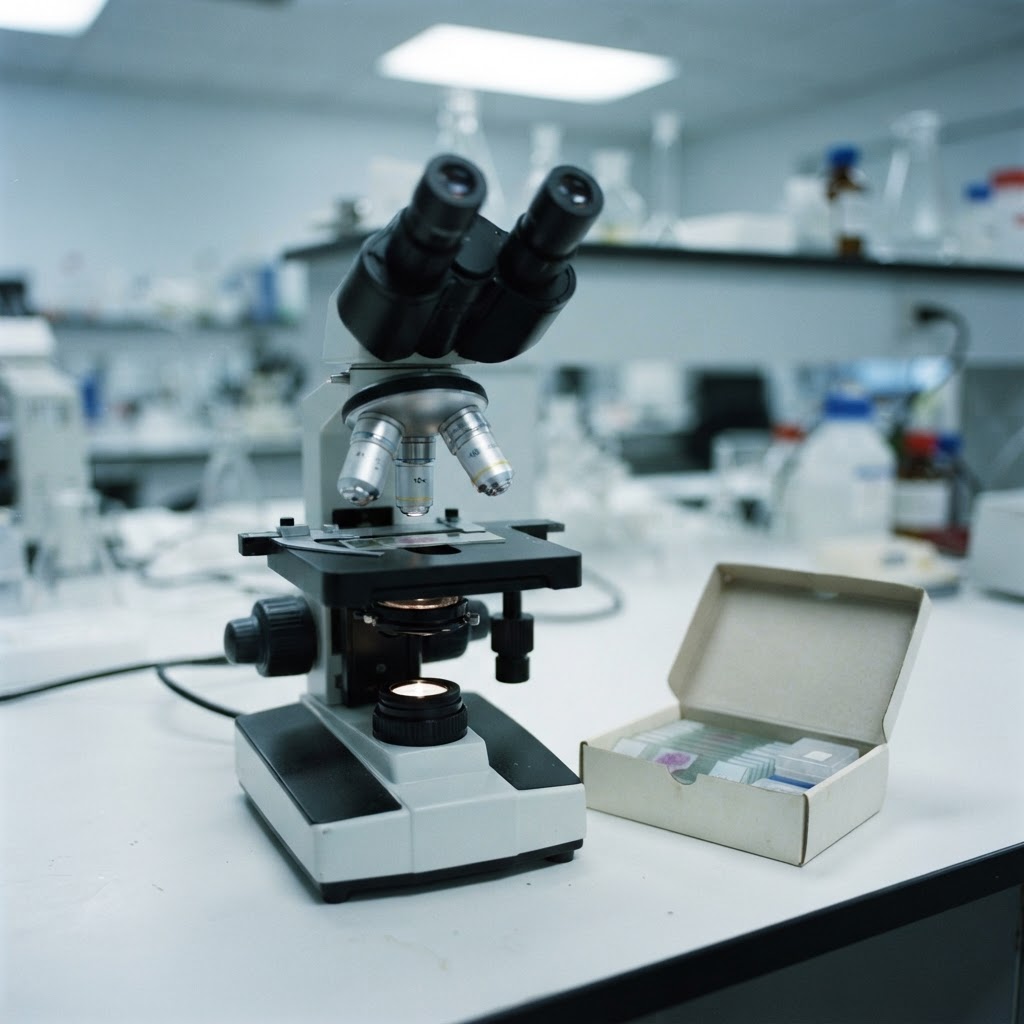


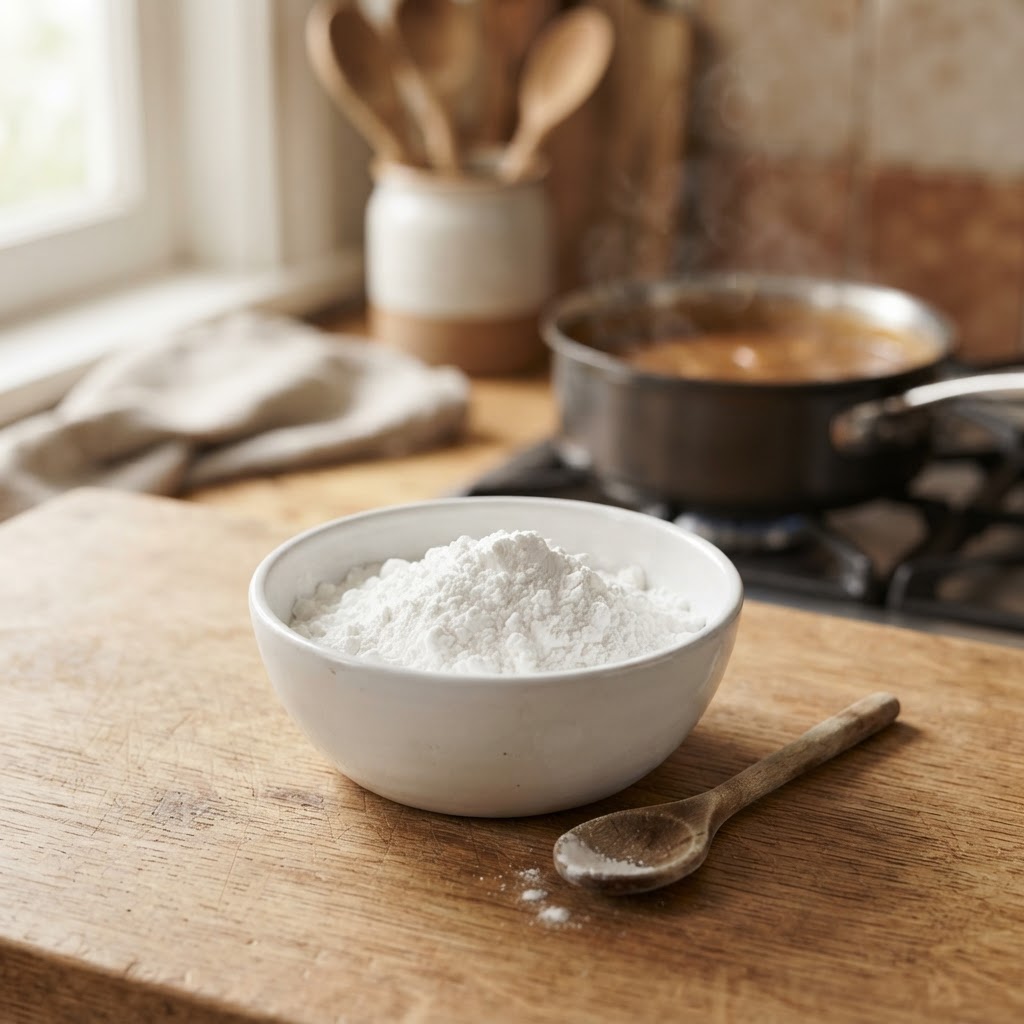



Five Key Food Science Classes to Take and What You’ll Learn
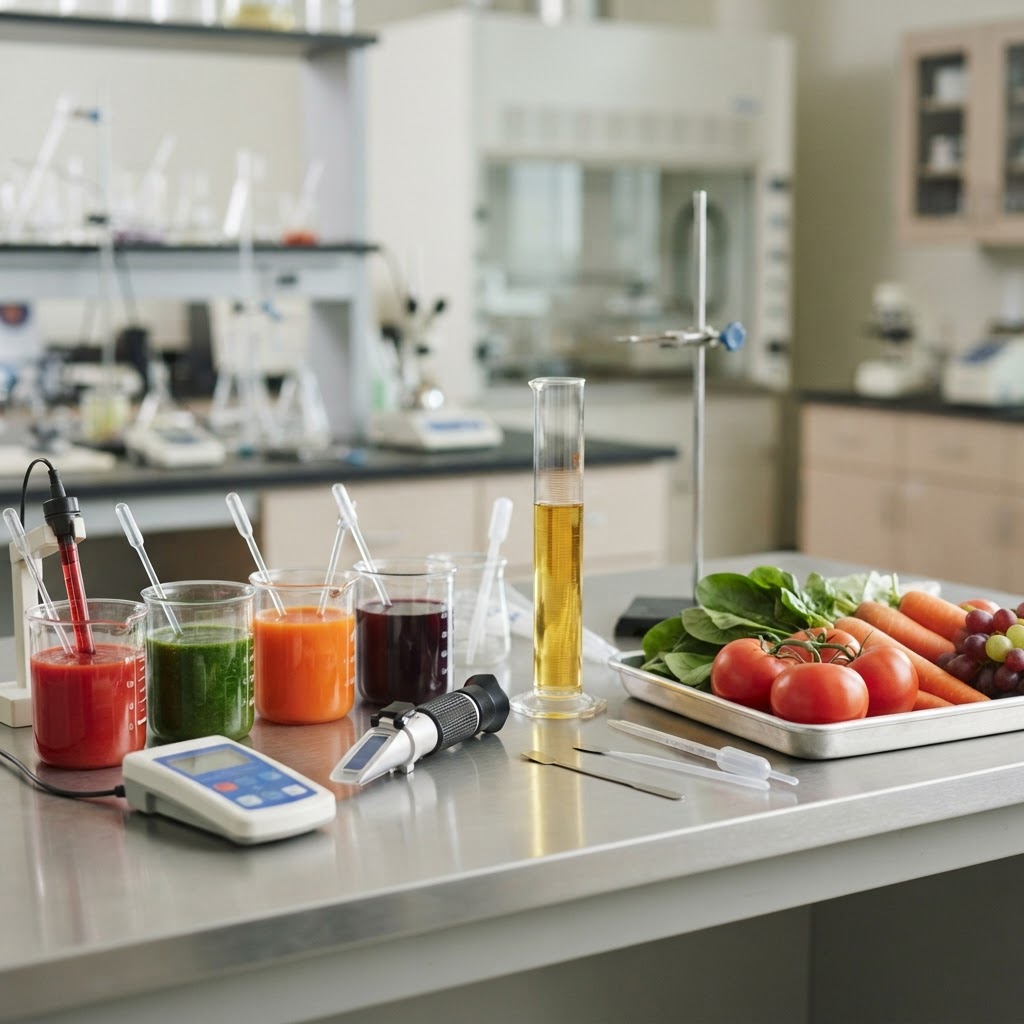
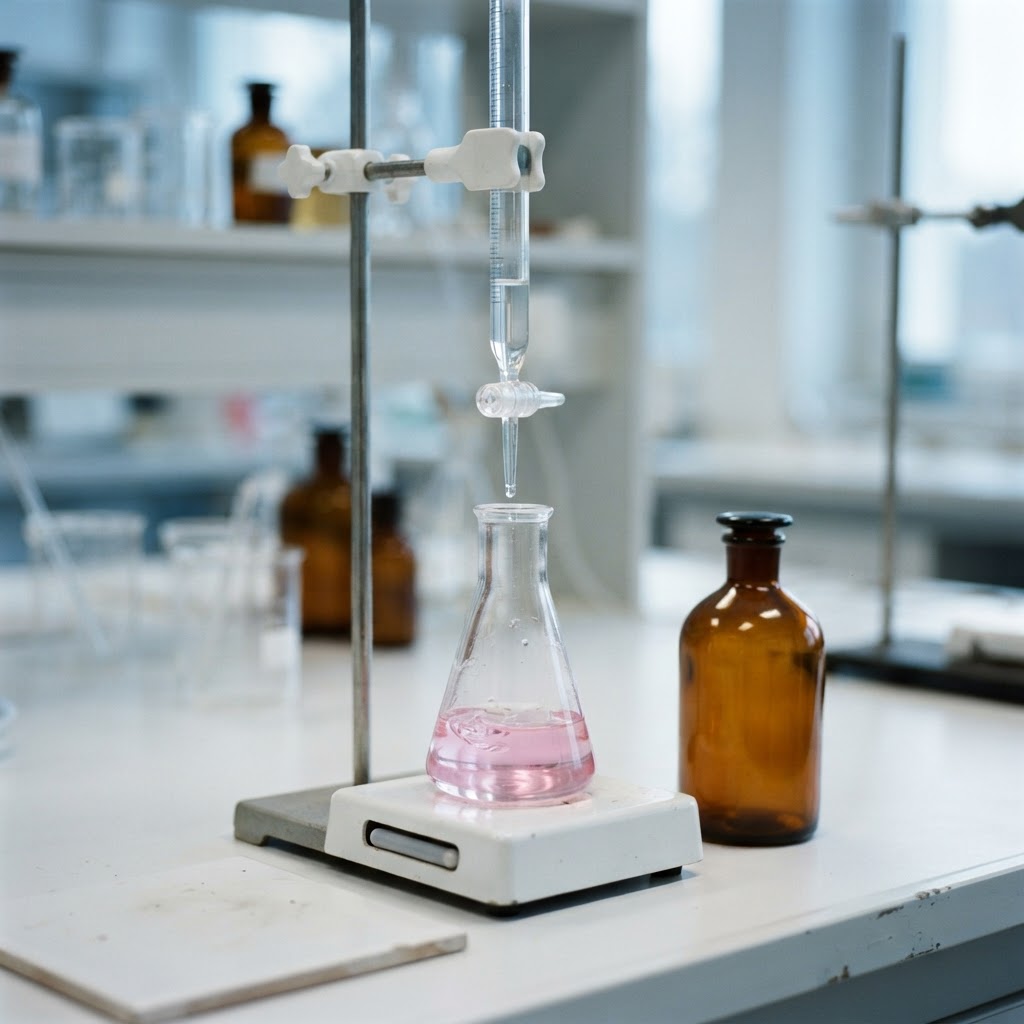


Competitive, Uncompetitive and Noncompetitive Enzyme Inhibition

How to Determine Isoelectric Point (pI) of Peptides








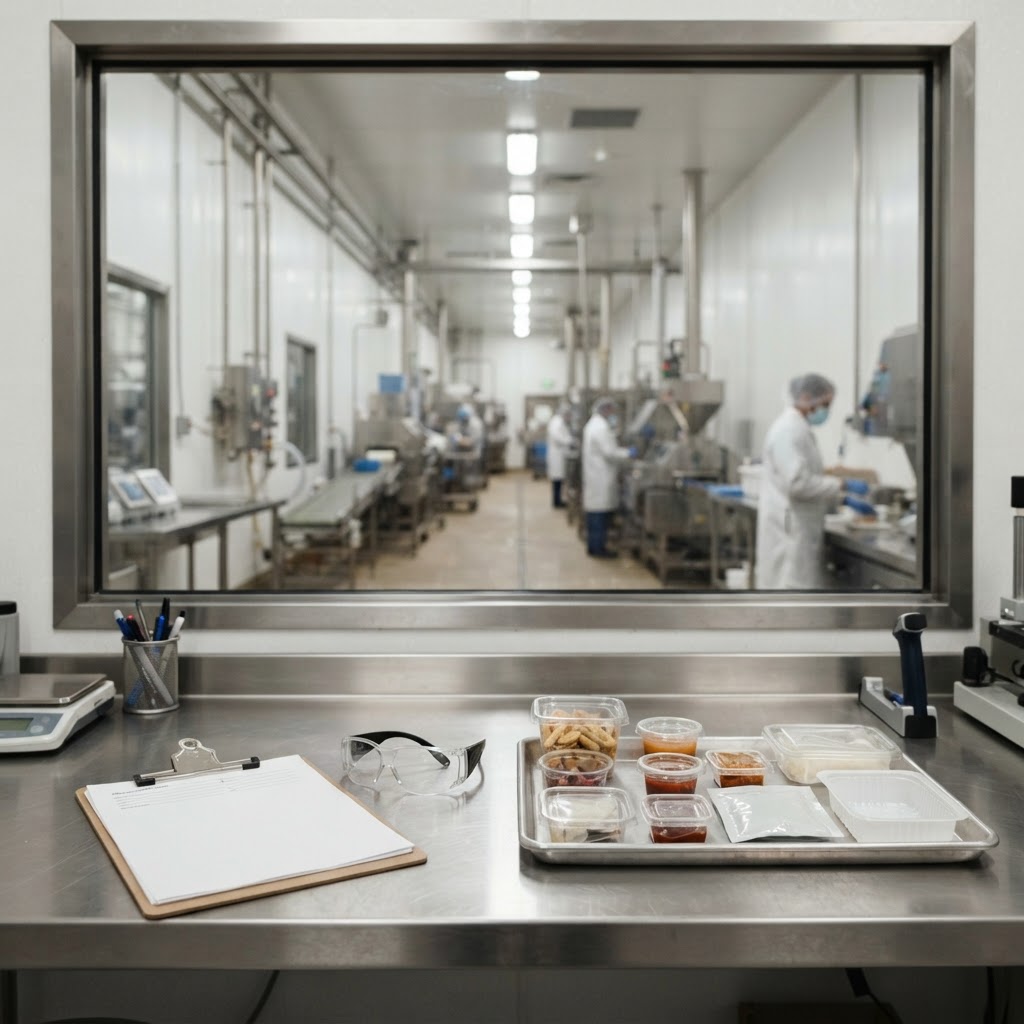
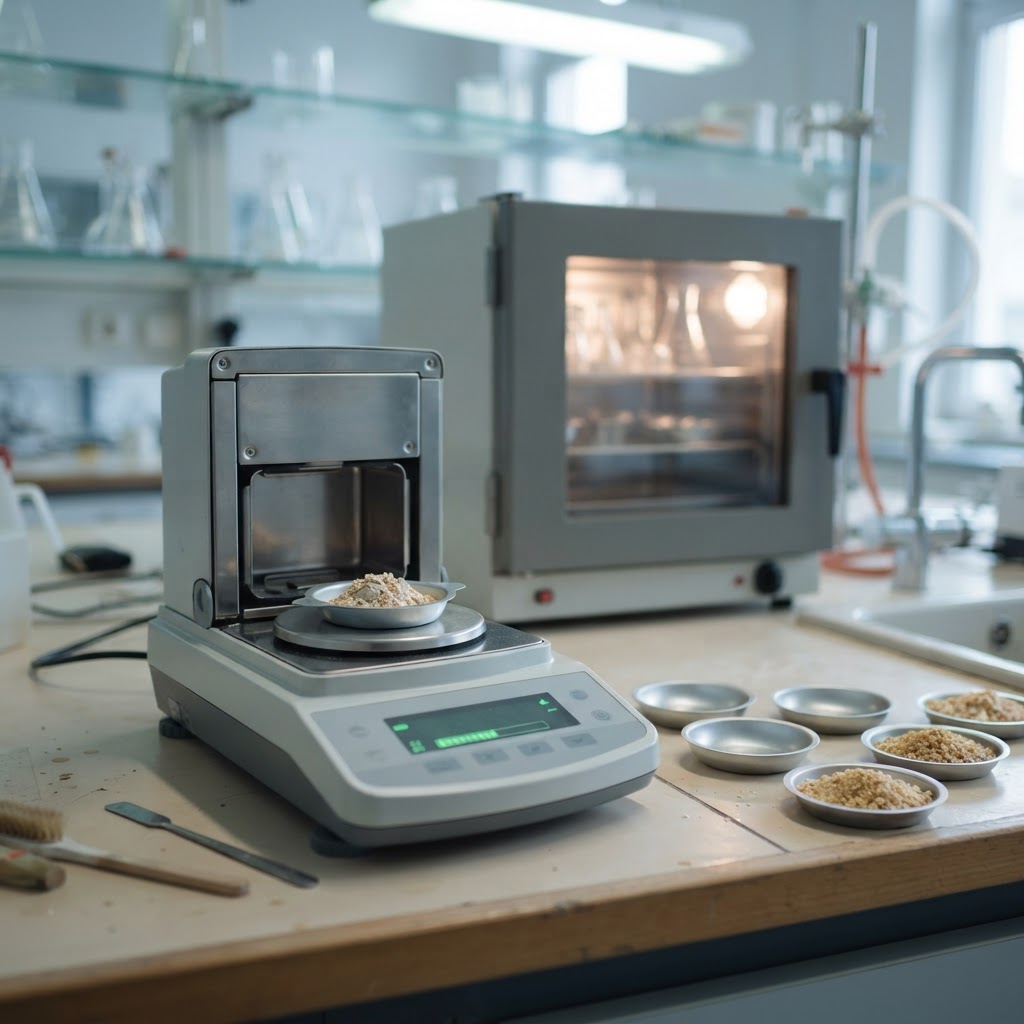


Hand-washing and Personal Hygiene for Food Plants


Food Safety Training - Responsibility of HACCP Team Members


FSMA - Sanitary Transportation for Human and Animal Food


FSMA - Preventive Controls for Human and Animal Food


FSMA - Mitigation Strategies to Protect Protection Against Intentional Adulteration


The Biggest Mistake Students Make Calculating Net Charge: Why Losing Electrons Makes Ions More Positive

What Makes Food Turn Brown and Taste Better? The Science of Non-Enzymatic Browning

How Do Bacteria Know When to Make Enzymes? Lac Operon vs Trp Operon Explained

Why Removing Sugar Changes More Than Sweetness: The Science of Sugar in Food

Why Wet Foods Don’t Always Spoil Faster: Water Activity Explained

Why Testing Food Isn’t Enough: How HACCP Prevents Problems Before Anyone Gets Sick

How Do Food Scientists Measure Chewiness, Bounce, and Stickiness? Inside Texture Profile Analysis

Refrigeration vs Freezing: Which Keeps Food Safer, Longer, and in Better Shape?

Refrigeration vs Freezing: Why Cold Food Still Goes Bad

Why Moist Foods Can Be Shelf-Stable and Dry Foods Can Spoil: Water Activity Explained

How HACCP Prevents Food Safety Failures Before Anyone Gets Sick


Understanding Food Instability and How to Manage It


The Multifaceted Role of Salt in Food Science

Understanding Overcooking and Its Impact on Food

Why Physical Properties Matter in Food Science

Ash Content Determination: Meaning, Methods, and Why It Matters

How Probiotic Yogurt Supports Digestion, Gut Health, and Lactose Tolerance

Why Food Packaging Matters More Than You Think

Functions of Food Packaging: Protection, Shelf Life, Convenience, and Sustainability

How Sensory Properties Shape the Way We Experience Food

How Probiotic Yogurt Helps Gut Health, Digestion, and Immune Function

Ash Content Determination in Food: Methods, Calculation, and Why It Matters

Understanding Protein Functionality in Food Science

Protein Functionality in Foods: How Structure Shapes Texture, Stability, and Processing

What a Texture Profile Analyzer Measures and Why It Matters

Physical Properties of Food: Why Texture, Color, Moisture, and Flow Matter


How Do Bacteria Decide When to Use Lactose and When to Stop Making Tryptophan?

Why Jam Lasts but Bread Molds Fast: The Science of Water Activity

Lac Operon vs Trp Operon: How Bacteria Regulate Genes

Ash Content Determination: Meaning, Methods, and Why It Matters

The Truth About Why Jam Lasts and Cut Fruit Spoils Fast

Understanding Protein Functionality in Foods

Lac Operon vs Trp Operon: How to Stop Mixing Up Inducible and Repressible Gene Regulation

CRISPR Explained: The Science Behind Gene Editing and Why It Matters

Understanding the Maillard Reaction in Cooking

Understanding the Science Behind Food Spoilage

Understanding the Science Behind Cooking Changes


Understanding Food Spoilage and Preservation

The Multifaceted Role of Fat in Cooking and Baking

Understanding the Differences Between Sugar and Starch in Cooking

Kitchen Math Made Simple: Cups, Grams, and Getting It Right

Understanding the Impact of Food Science on Everyday Life

Understanding Emulsions: The Science Behind Oil and Water Mixing

Why Food Spoils: The Science Behind Foodborne Illness


Understanding the Impact of Acidity in Food


The Crucial Role of Water in Food Quality and Safety


The Science and Perception of Freshness in Food

Understanding Food Safety: Managing Risks and Preventing Contamination


Understanding Food Preservation: Techniques and Science

Understanding Browning in Foods: Enzymatic vs. Non-Enzymatic


Understanding How Freezing Affects Food Quality

Understanding Food Storage: Why Some Foods Need Refrigeration

Helping Students Understand Gluten Beyond “Good or Bad”

Helping Students Understand Why Food Packaging Matters


Why Lipids Matter in Food Science and How to Teach Them

How to Introduce Food Science in a Way That Actually Sticks

How to Introduce Food Science in a Way That Actually Sticks

Understanding the Four Molecular Components That Shape Every Food

Teaching Sensory Evaluation Without Turning It Into Opinions

Why Nutrition Basics Matter and How to Teach Them Well

How to Build Kitchen Safety Routines Students Actually Follow


Why Handwashing Matters for Food Safety Education


Why the 10-Second Rule Keeps Sneaking Into Food Science Classrooms

Why Students Struggle With Metabolism (and How Food Science Can Fix the Confusion)

Why Food Preservation Works and How to Teach It

How to Teach Nutrition Labels So Students Can Use Them


The Science of Browning in Everyday Cooking


Why Some Foods Get Crispy and Others Stay Soft

Why the 10-Second Rule Keeps Sneaking Into Food Science Classrooms

What Your Body Really Does With Carbohydrates


Can Oil and Water Ever Be Friends? Exploring Emulsification with Soap


How to Write a Proper Hypothesis:Turning Questions Into Testable Ideas

How a New Snack Idea Becomes a Real Product

Knife Safety 101: Essential Skills for Students in the Kitchen

Turning Data into Discovery: How to Organize and Report Your Experiment Results

How to Explain the Maillard Reaction: The Science Behind Browning, Aroma, and Flavor


How to Use Science to Check If a Food Claim Makes Sense


How the Scientific Method Works in Your Kitchen

10 Food Safety Mistakes Students Make (and How to Fix Them)

How to Experiment Like a Scientist: Accuracy, Precision, and Smart Data Collection

Kitchen Math Made Simple: Cups, Grams, and Getting It Right

Why Food Spoils: The Science Behind Foodborne Illness

What Now? Using Data to Make Conclusions Like a Scientist


How Scientists Make Good Observations in Food Studies

How Your Five Senses Shape Your Food Choices

Freezing Point Depression: The Effect of Sugar on Ice Melting Rate

Paired Comparison Test Lab: Organic vs. Conventionally Grown Bananas

How to Determine Critical Control Points (CCPs) In a Tuna Sandwich Making Process

HACCP vs. HARPC: Understanding Food Safety Systems

Understanding the Science of Fermentation: Yogurt and Sourdough

Foodborne Illnesses: Understanding Pathogens and How to Stay Safe

Why Did My Bread Fail? The Science Behind Perfect Loaves and How to Fix Common Problems

Glow Germ Food Safety Outbreak Investigation Lab

13 Aspects of the Food Label That Often Confuse Students

Stay Safe in the Kitchen: Essential Rules Everyone Should Know

Protecting Public Health Through Foodborne Illness Management – A Guide for Teachers


Unlocking the Power of Enzymes: Nature's Catalysts in Everyday Life

Essential Lab Safety Rules: A Guide for Working Safely in Any Laboratory

Master These 4 Scientific Principles to Bake Perfect Bread Every Time

Unlocking the Science of Starch: A Hands-On Learning Opportunity for Your Students

Pineapple and Gelatin Lab: Exploring Protease Activity


Earn While You Share: Join Our Free Marketplace for Food Science Teachers!

The Principles of HACCP: A Guide for Food Science Teachers

Engaging Middle and High School Students in Food Science Career Exploration

Milk and Vinegar Experiment: Understanding the Isoelectric Point

Understanding Fats and Cholesterol on Nutrition Labels: A Guide to Healthier Choices

The Chemistry of Flavor: What Makes French Fries Taste So Good?

Major Food Technology Innovations Since the Industrial Revolution

What Food Science Is and How It Differs From Nutrition, Culinary, and Agriculture

Is Washing for Twenty Seconds Enough to Clean Your Hands Properly?


How to Plant, Grow, and Harvest Strawberries
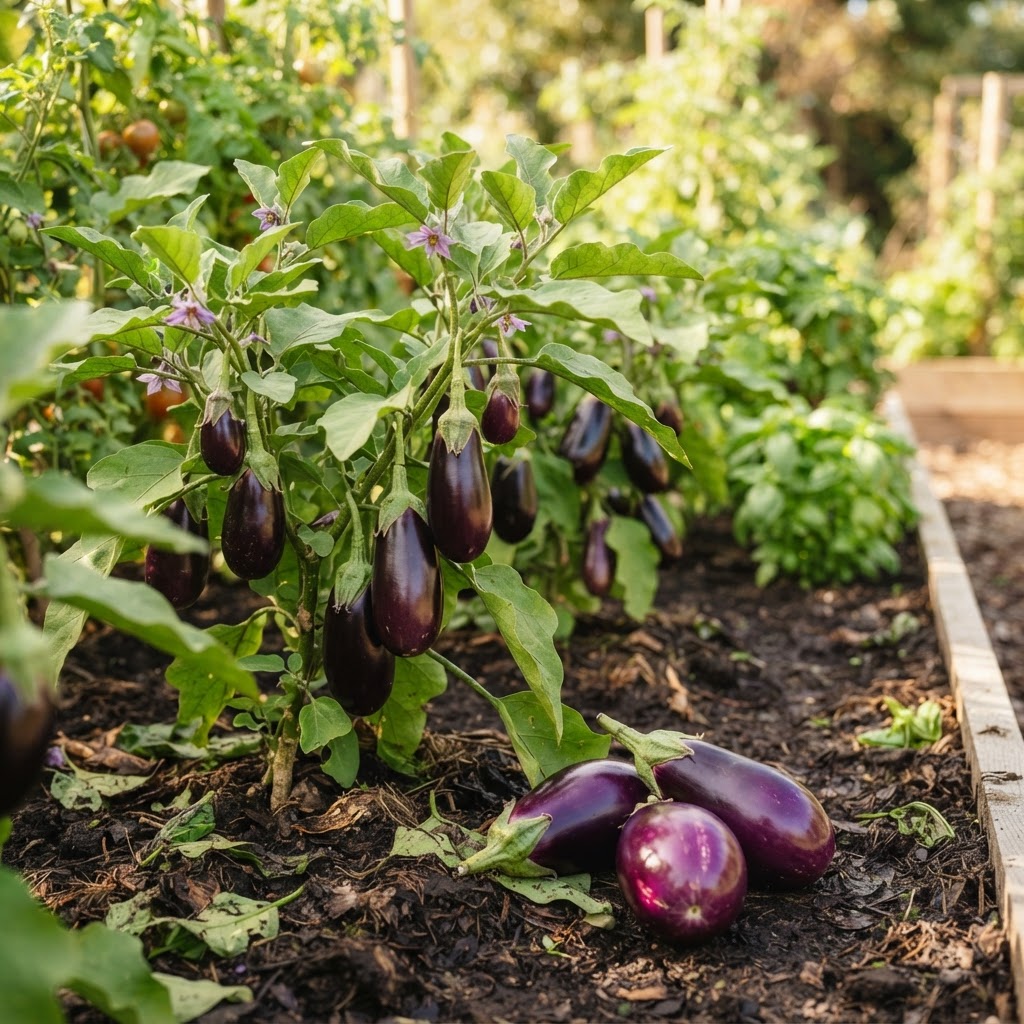


How can I keep bugs out of my garden without using pesticides?

Keeping Rabbits and Squirrels Out of Your Vegetable Garden: Effective Strategies
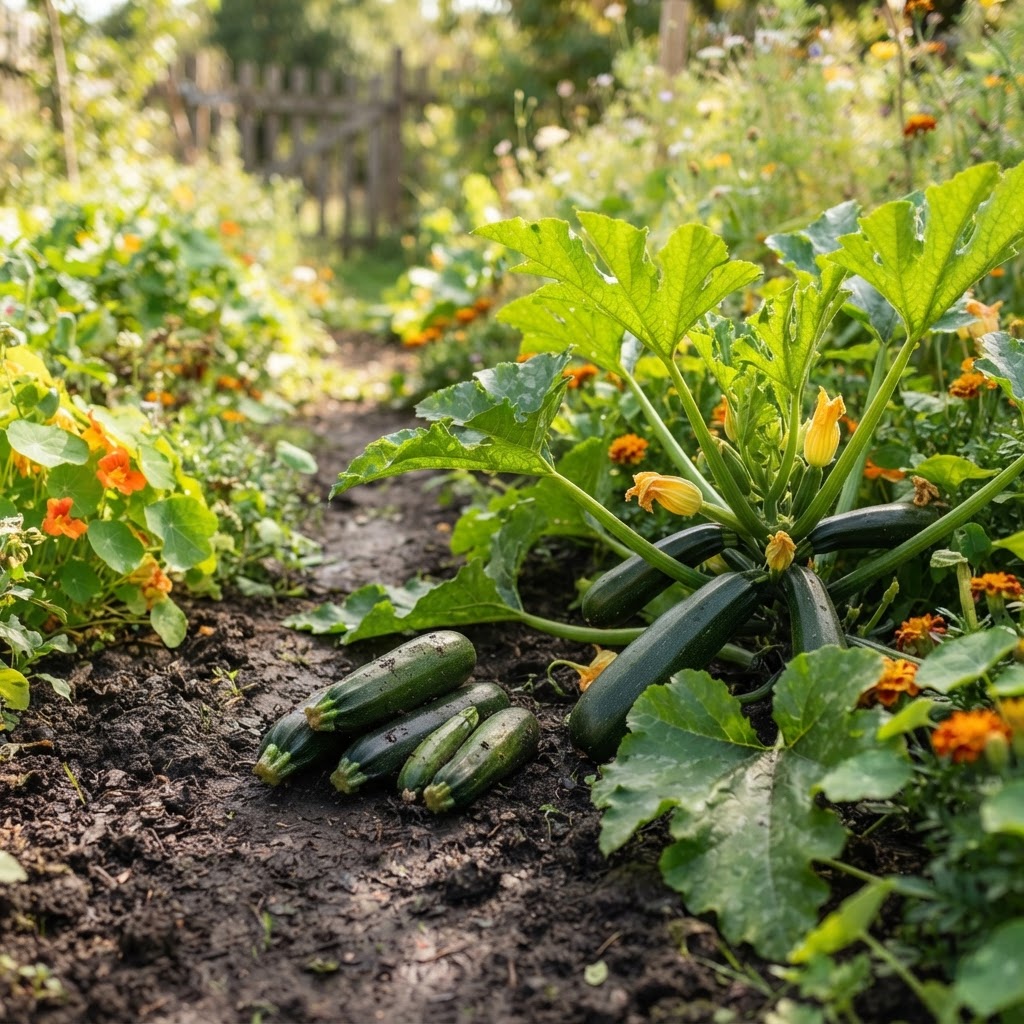


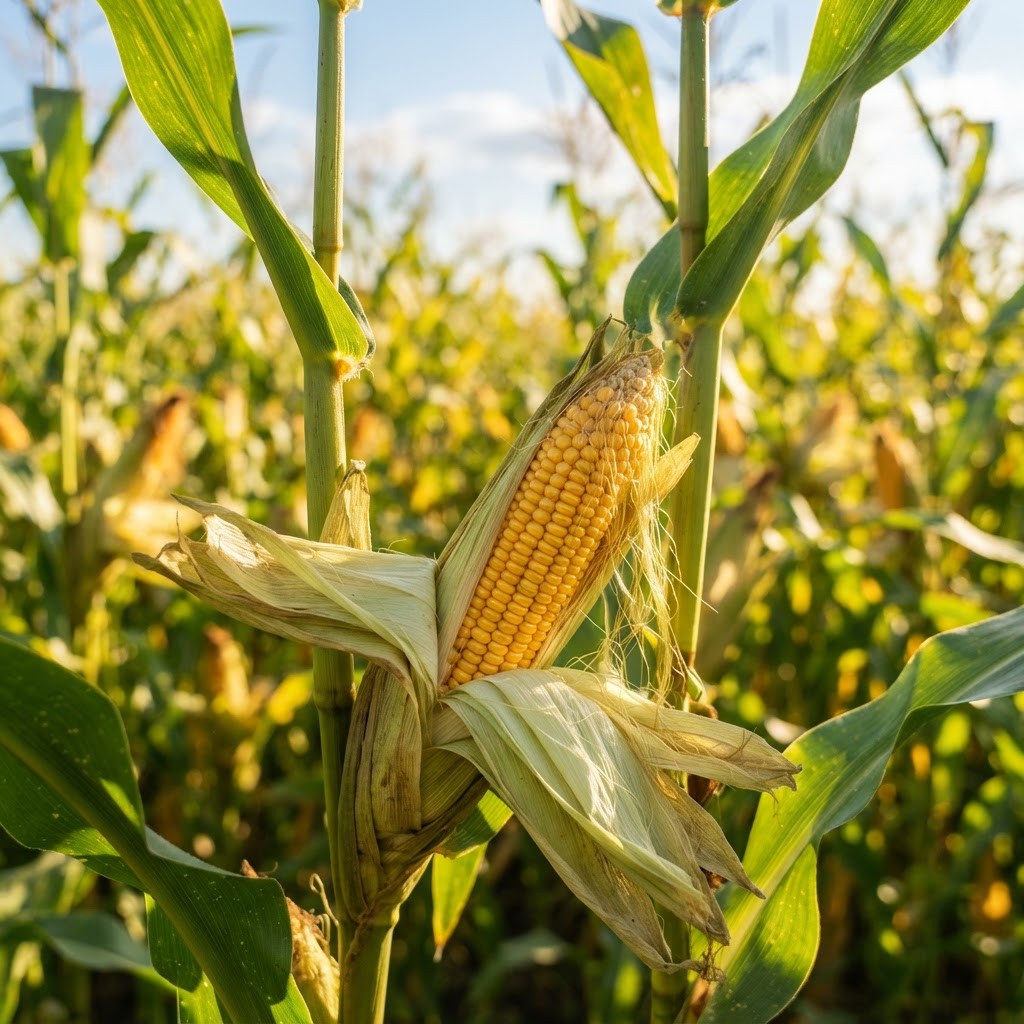

How can I create a garden that attracts pollinators in the summer?
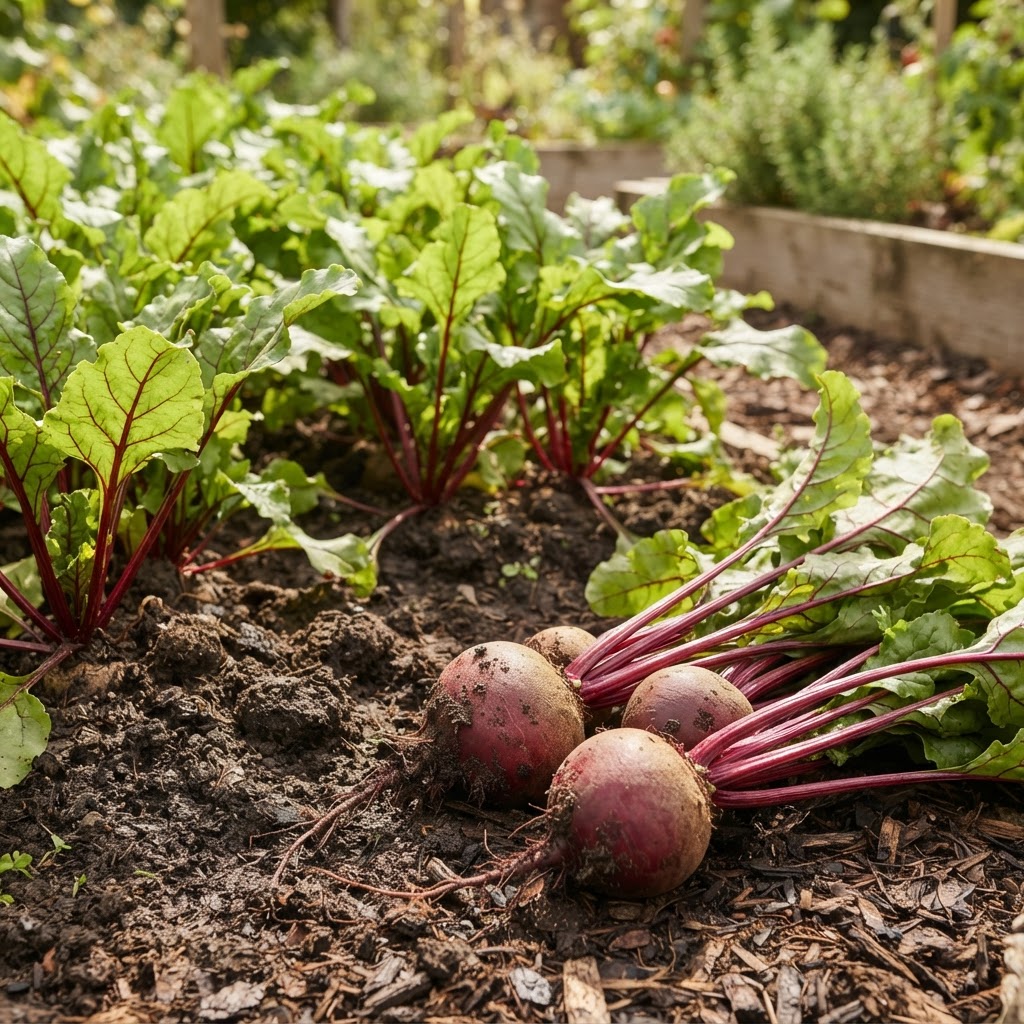

How much fertilizer should I add to my vegetable garden?

How can I make my own compost for my vegetable garden?
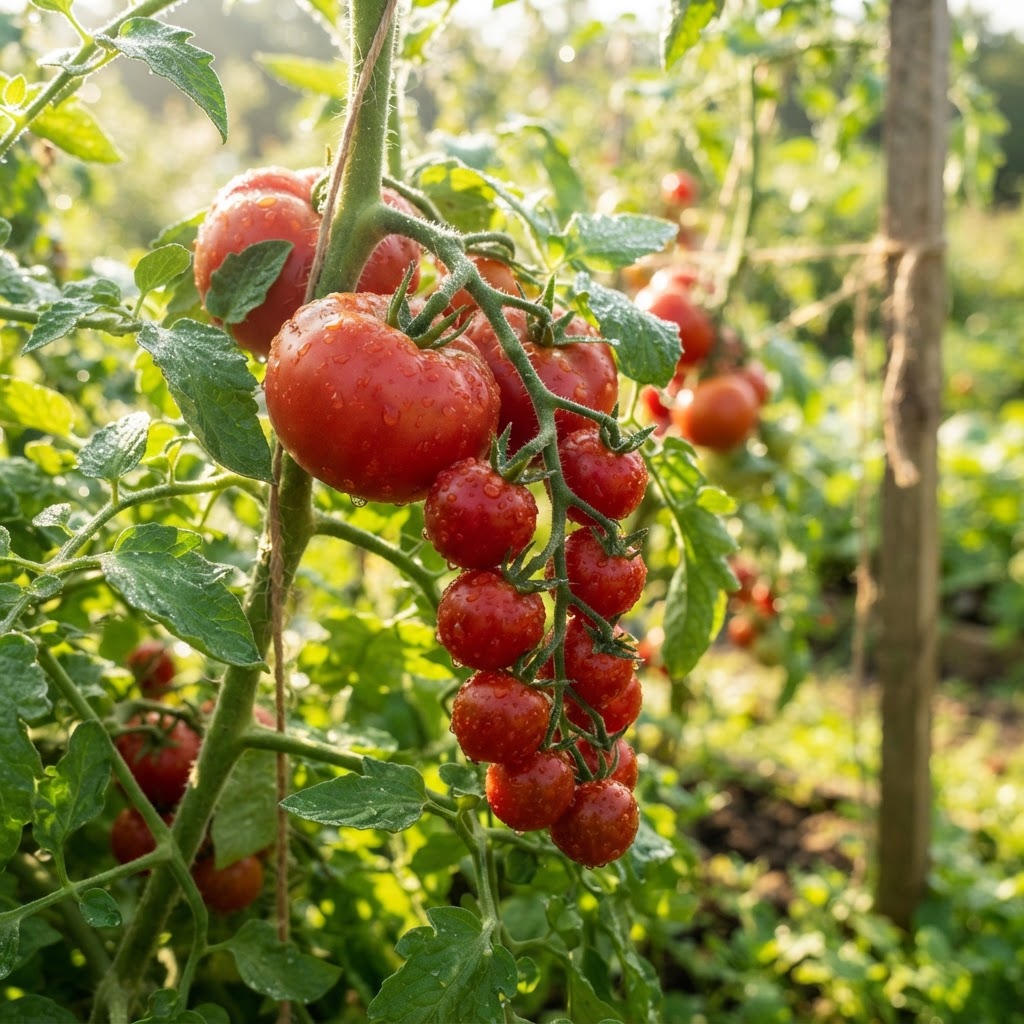


How can I improve the quality of soil in my garden?


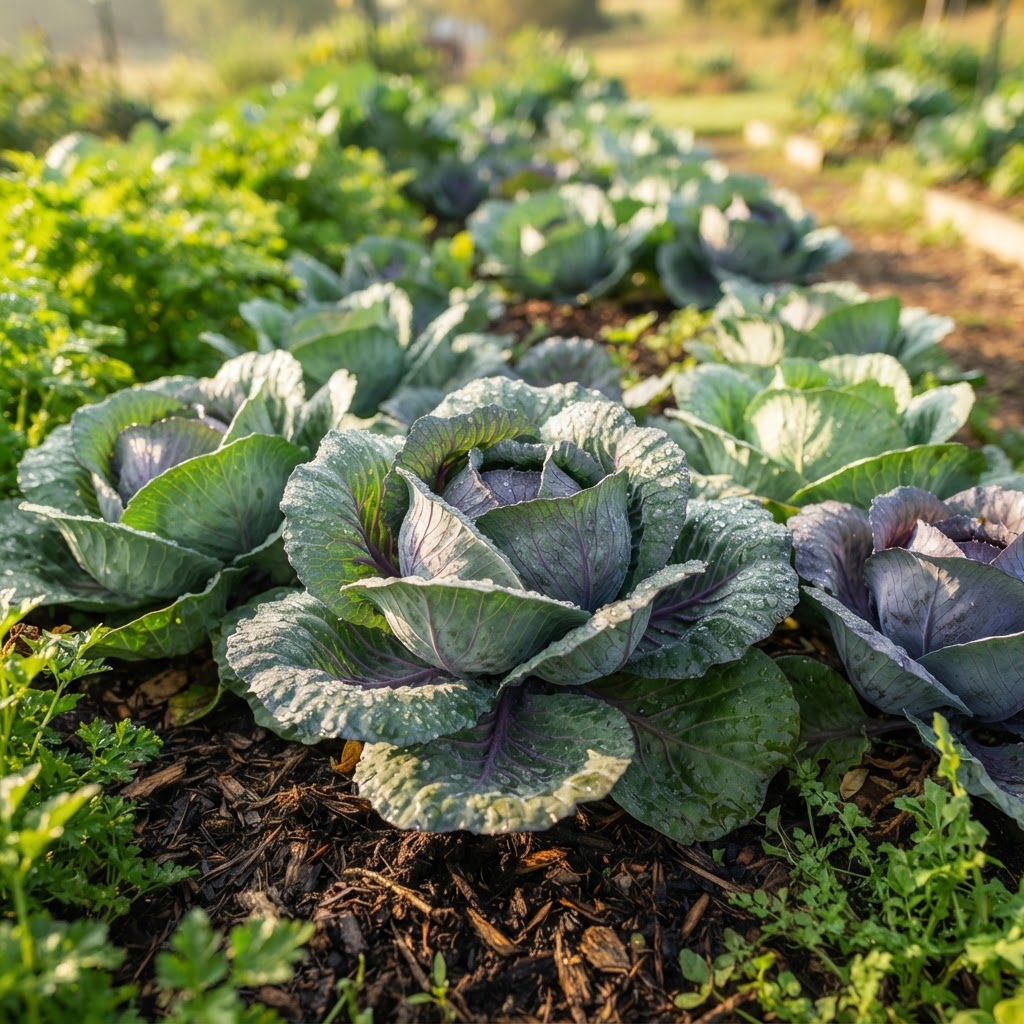

How do I prepare my garden for summer planting?

How to Plant, Grow, and Harvest Bell Peppers


Chromosome Structure, Organization Histone Modification

Steps in Enzyme-linked Immunosorbent Assay (ELISA)


The Science Behind the Perfect Loaf: A Guide to Bread Making


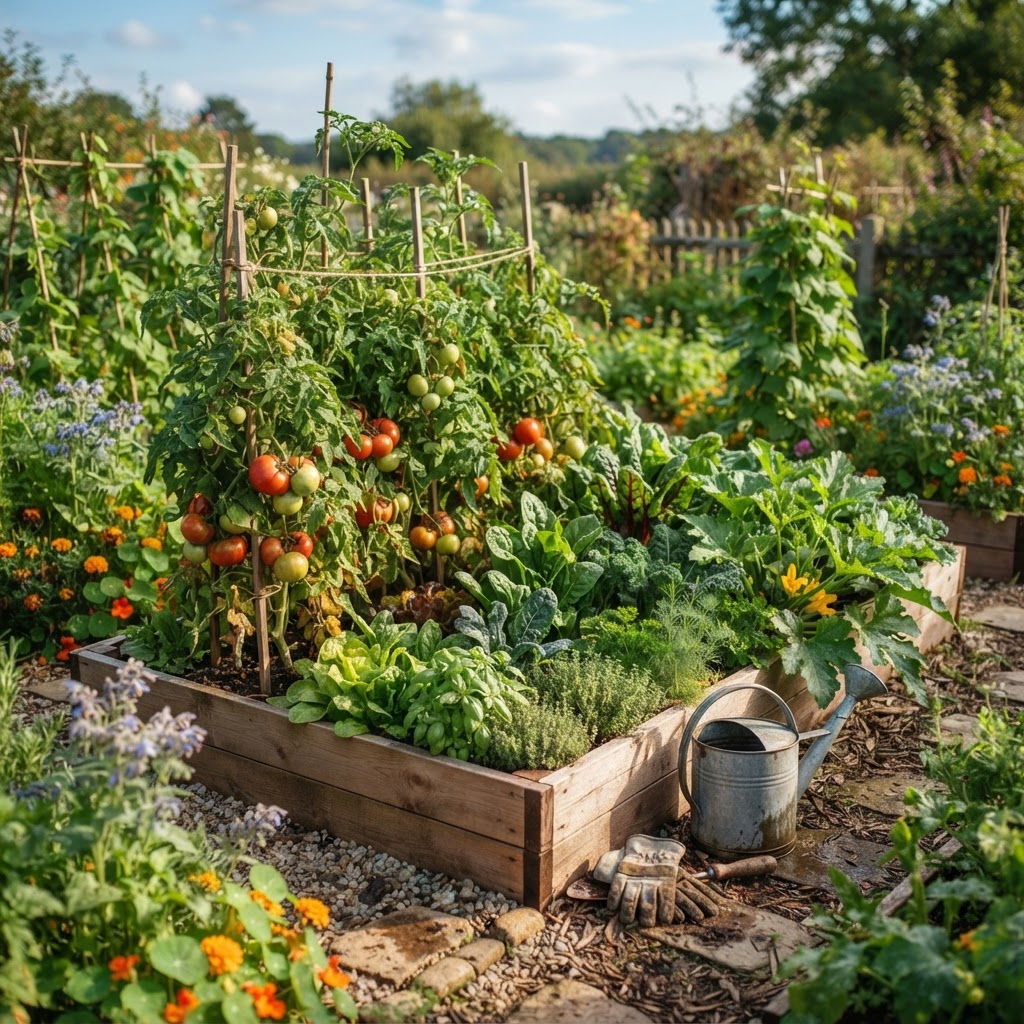
What are the best plants to grow in the summer?


CRISPR: The Revolutionary Gene Editing Tool Explained





How often should I water my garden in the summer?


Breaking Down the Processes: A Beginner's Guide to Food Processing Unit Operations

How can I keep my plants from wilting in the summer heat?



Why Antibiotic Resistance is Rising and What to Do About It
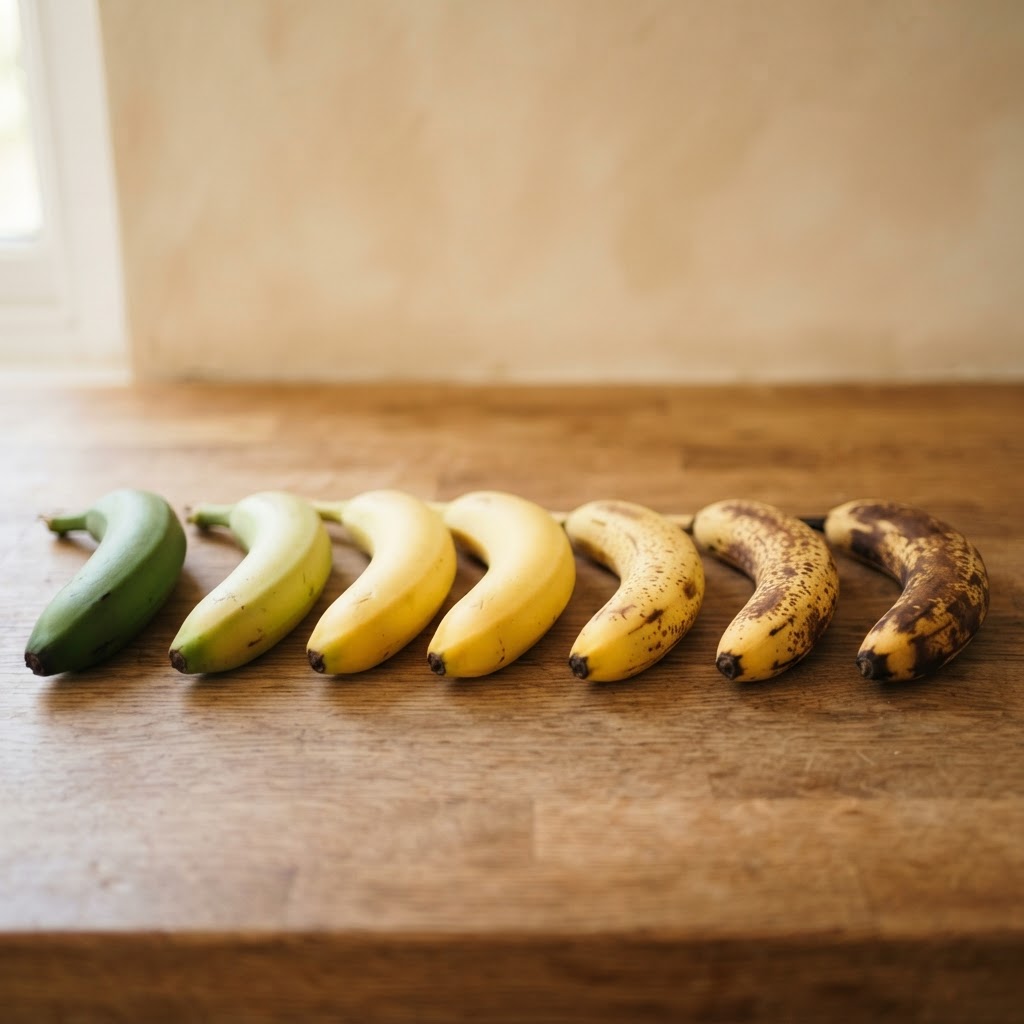










How to Achieve and Maintain a Healthy Body Weight


Key Principles for Effective Food Safety Training

Handwashing and Personal Hygiene for Food Plants


Introductory Concepts in Human Nutrition


Summary of Glycolysis, TCA Cycle & Oxidative Phosphorylation


Role of Sodium and Potassium in Nerve Impulse Transmission

How to Get Started With Your HACCP Documentation






Determination of Total Lipids and Lipid Oxidation


Health Department Inspections - Ohio


How the FDA Inspects Food Facilities and Enforces Food Safety Laws


How Public Outcry and Tragedy Transformed the U.S. Food System


Introduction to the US Legal System



Fast Track to Becoming a Food Scientist or Achieving any Career Goal


How to Handle a Food Safety Inspection: What to Do and What to Avoid

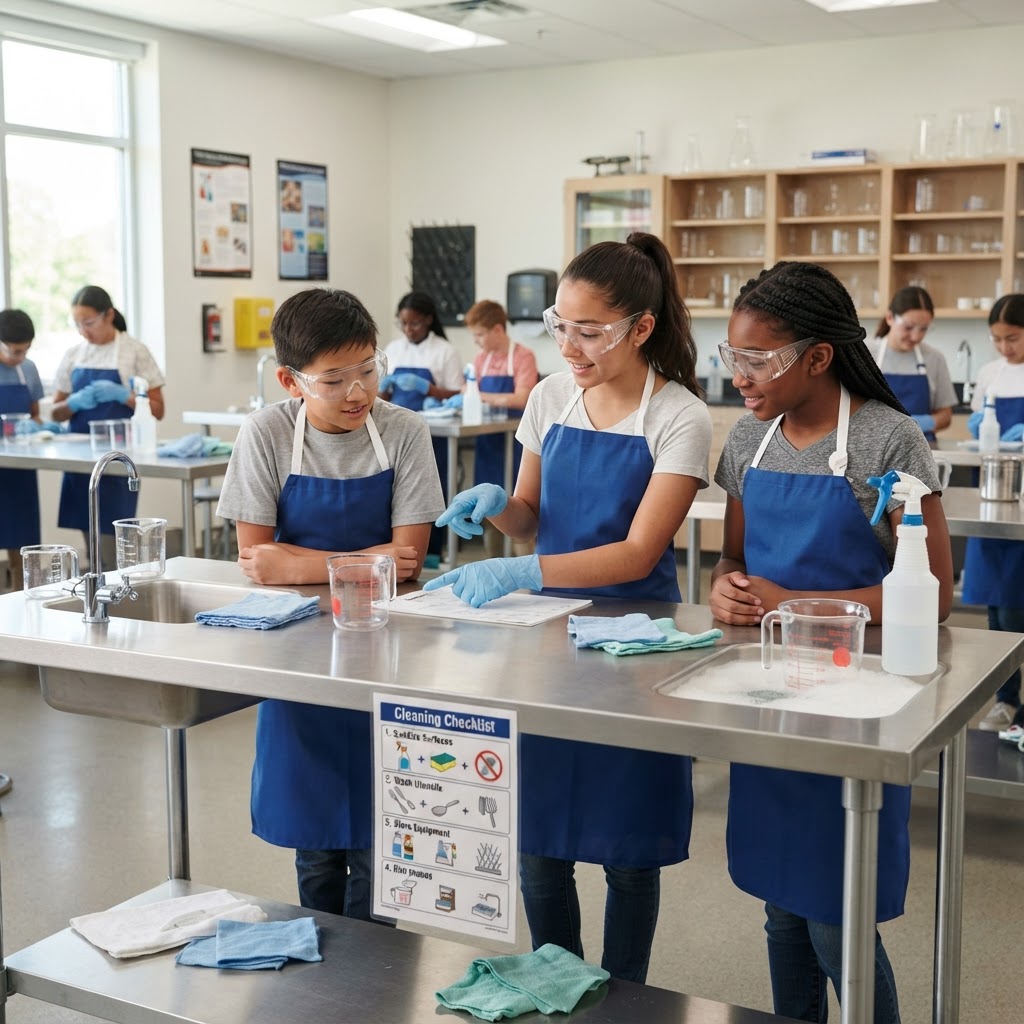
Beyond the Basics: Building a Standard Operating Procedure (SOP) Culture in Your Food Lab
Why selected: High demand for 'Kitchen Safety' and 'SOPs' in search and generator data, combined with a lack of existing content on formalizing safety procedures for the middle school lab environment.
Quality gate passed · 799 words · about grade 9.9
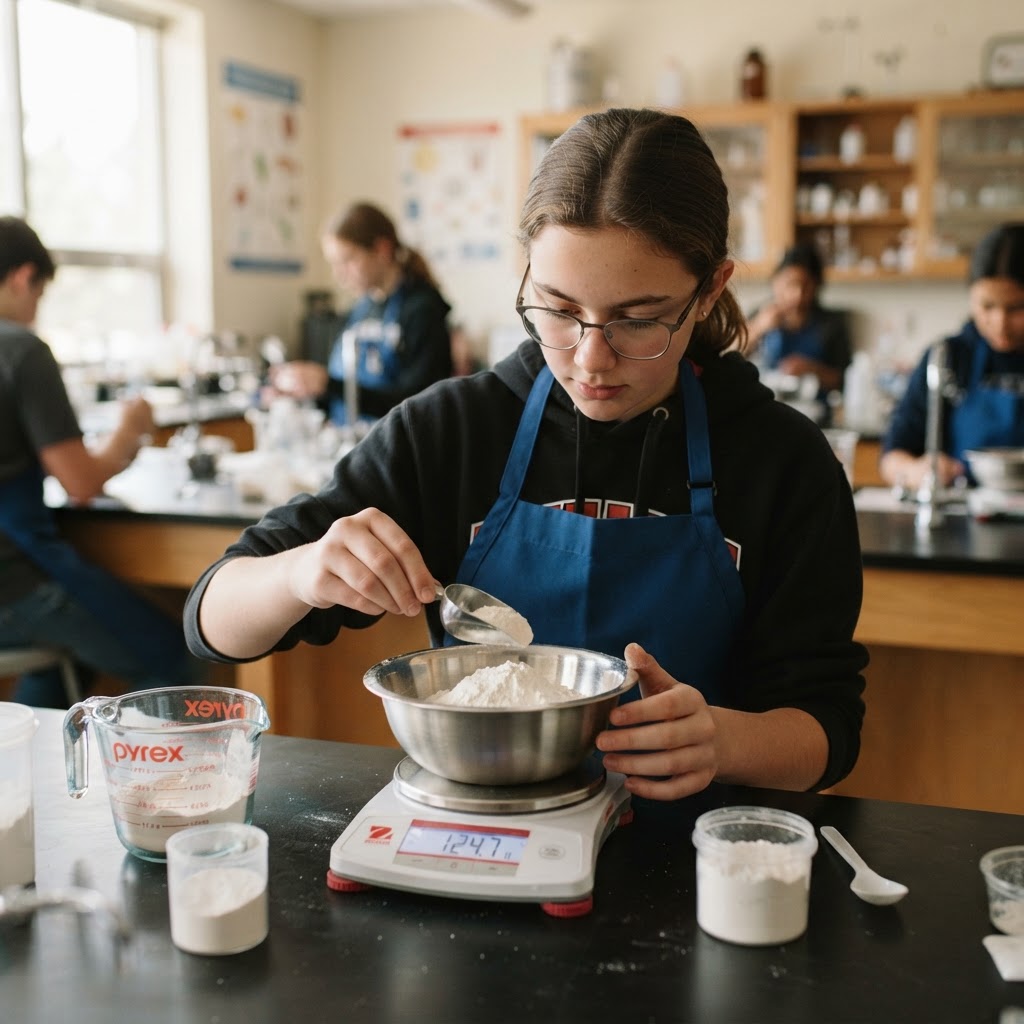
Why Accuracy Matters: Teaching Students the Science of Precision Measurement
Why selected: High search volume for 'how to read a recipe' combined with a lack of inventory on 'Measurements' demonstrates a clear need for instructional content that teaches students the 'how' and 'why' of accurate measurement.
Quality gate passed · 815 words · about grade 8.8
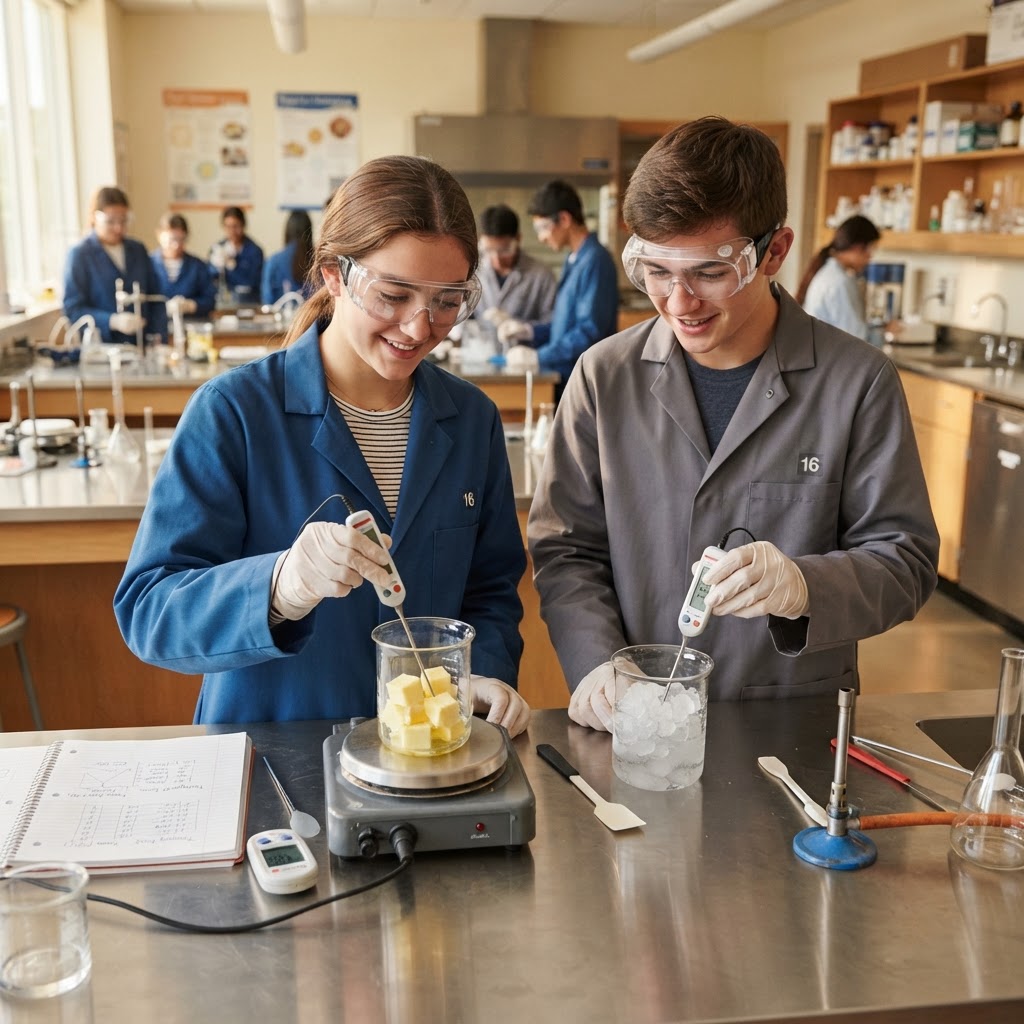
From Solid to Liquid and Back Again: Teaching Physical Changes in Food
Why selected: There is a significant gap in our blog content regarding middle school-level physical science applications in the kitchen, despite high search volume for 'food science challenge' and kitchen basics.
Quality gate passed · 778 words · about grade 10.2
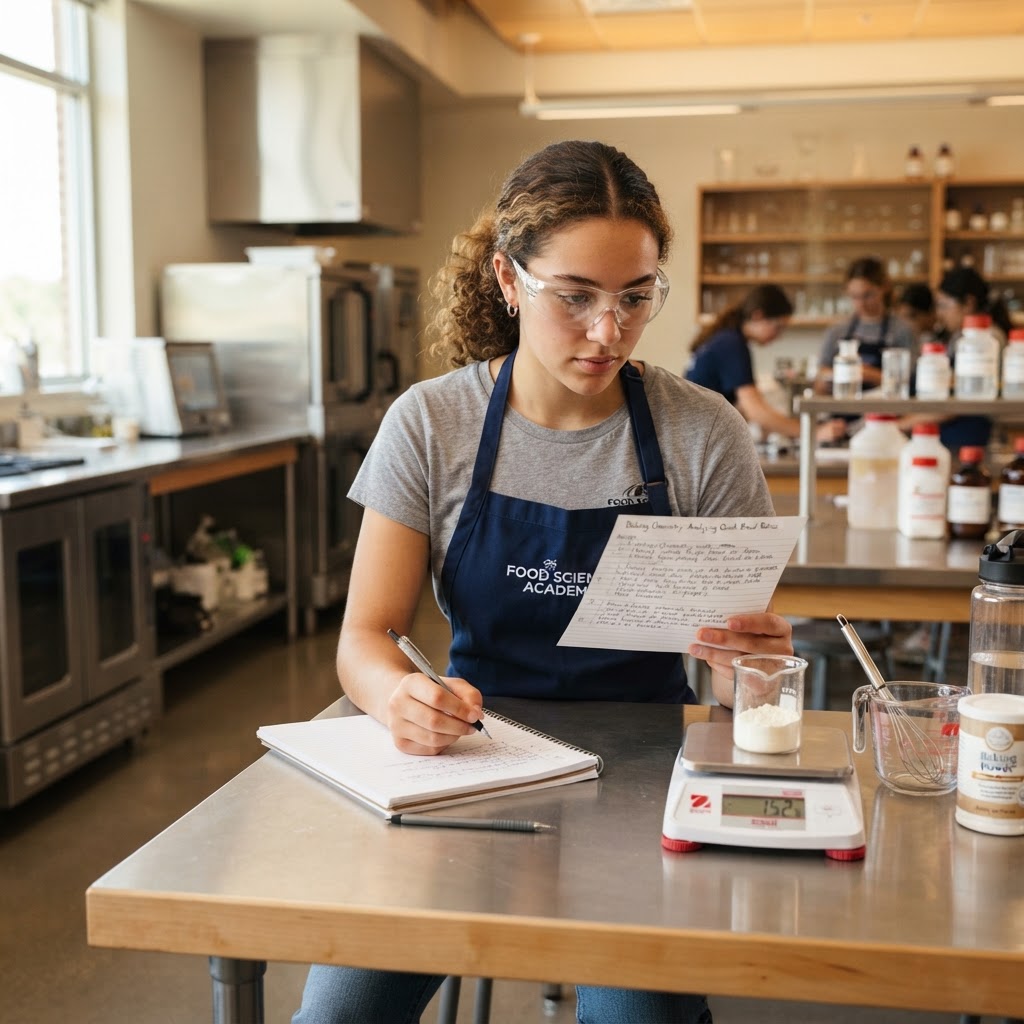
Beyond the List: Teaching Students to Critically Read and Deconstruct a Recipe
Why selected: High search volume and download demand for recipe-related resources indicate a significant unmet need for scaffolding this skill for younger students, who struggle to move from simple following to critical analysis.
Quality gate passed · 734 words · about grade 9.7
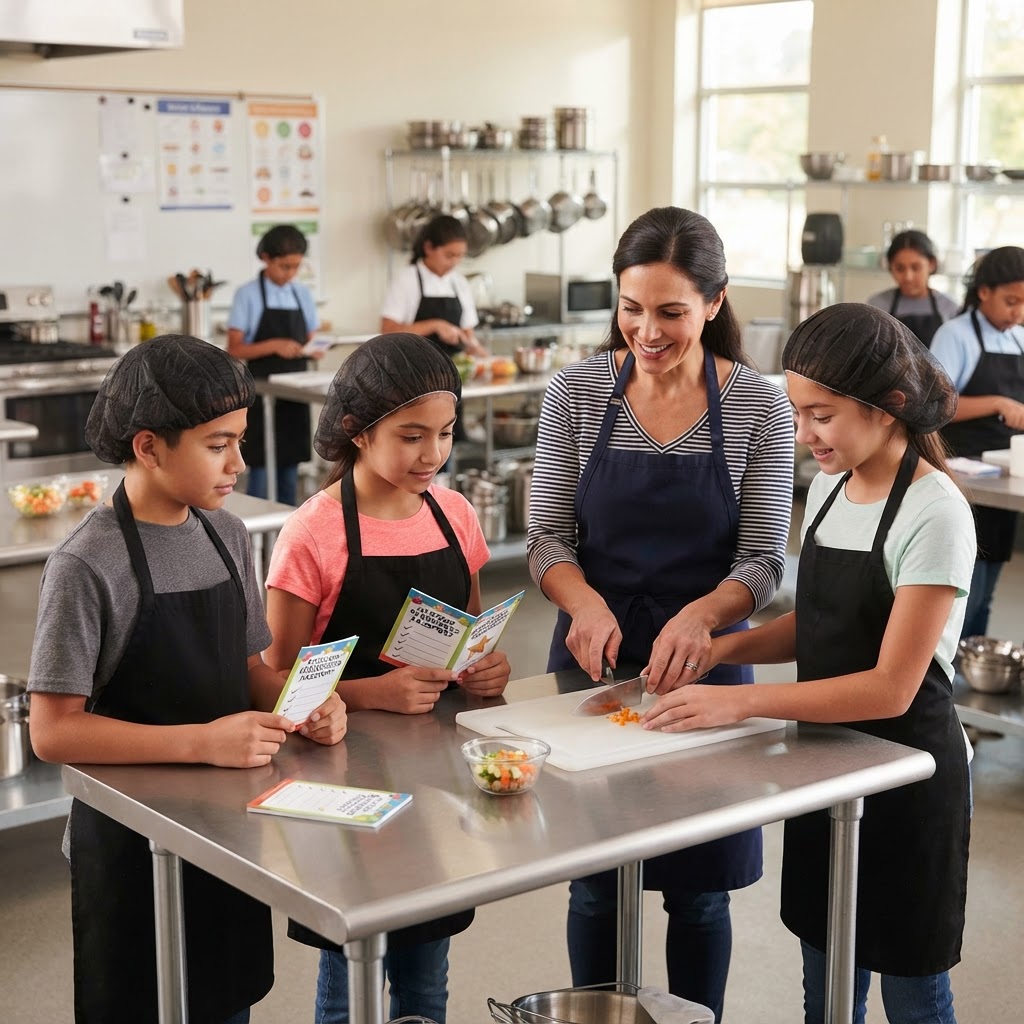
From Chaos to Control: Implementing a Kitchen Readiness Passport System
Why selected: High search volume for safety and readiness coincides with the need for a practical, scaffolded management tool for middle school students who are often new to lab environments.
Quality gate passed · 769 words · about grade 10.4
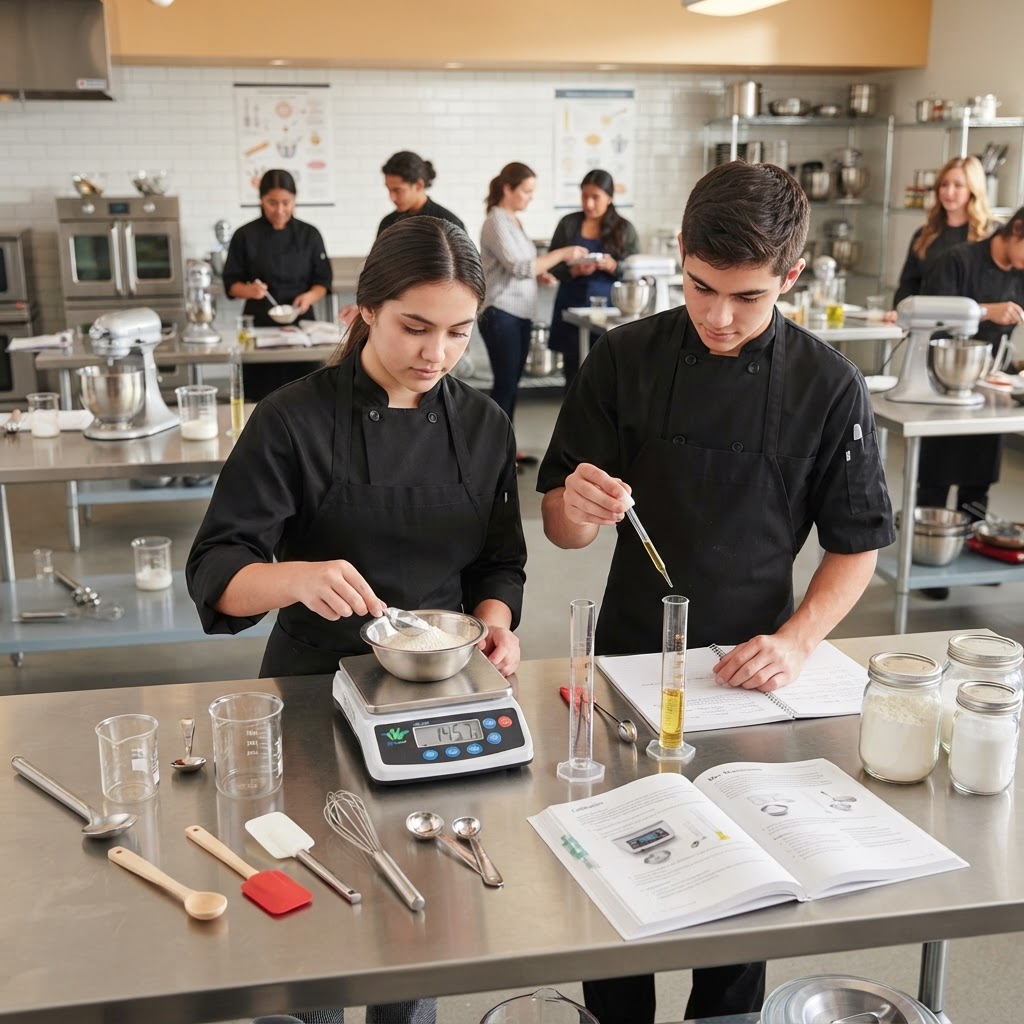
Measuring Matters: How to Teach Precision and Consistency in Your Culinary Classroom
Why selected: High demand for kitchen readiness materials and a notable lack of inventory in the 'Measurements' category makes this a high-impact, low-competition topic.
Quality gate passed · 804 words · about grade 9.6
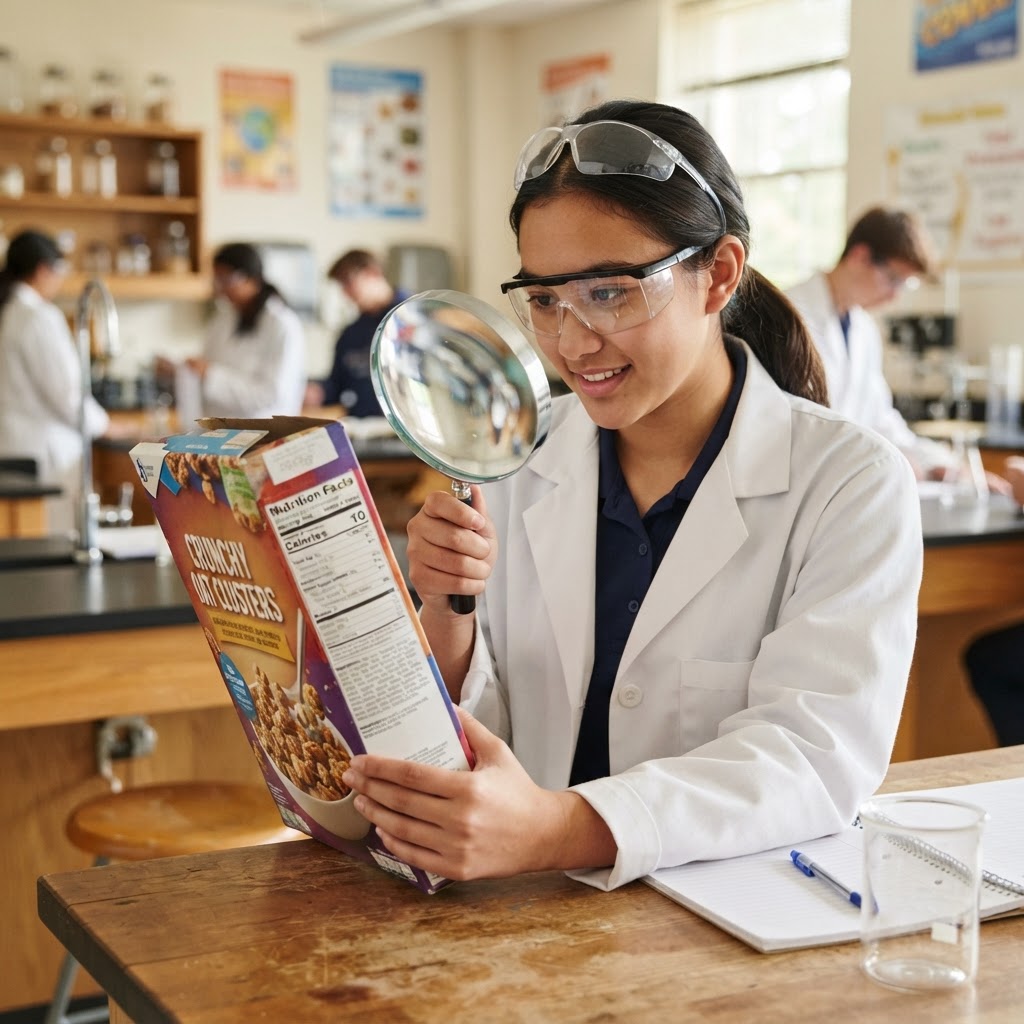
Beyond the Ingredients: How to Teach Students to Analyze Ultra-Processed Food Labels
Why selected: It bridges the gap between basic nutrition units (current curriculum phase) and the high demand for science-based classroom activities that challenge student thinking.
Quality gate passed · 711 words · about grade 12.2

The First Week Sets the Tone: Make Food Safety Your Students' First Success
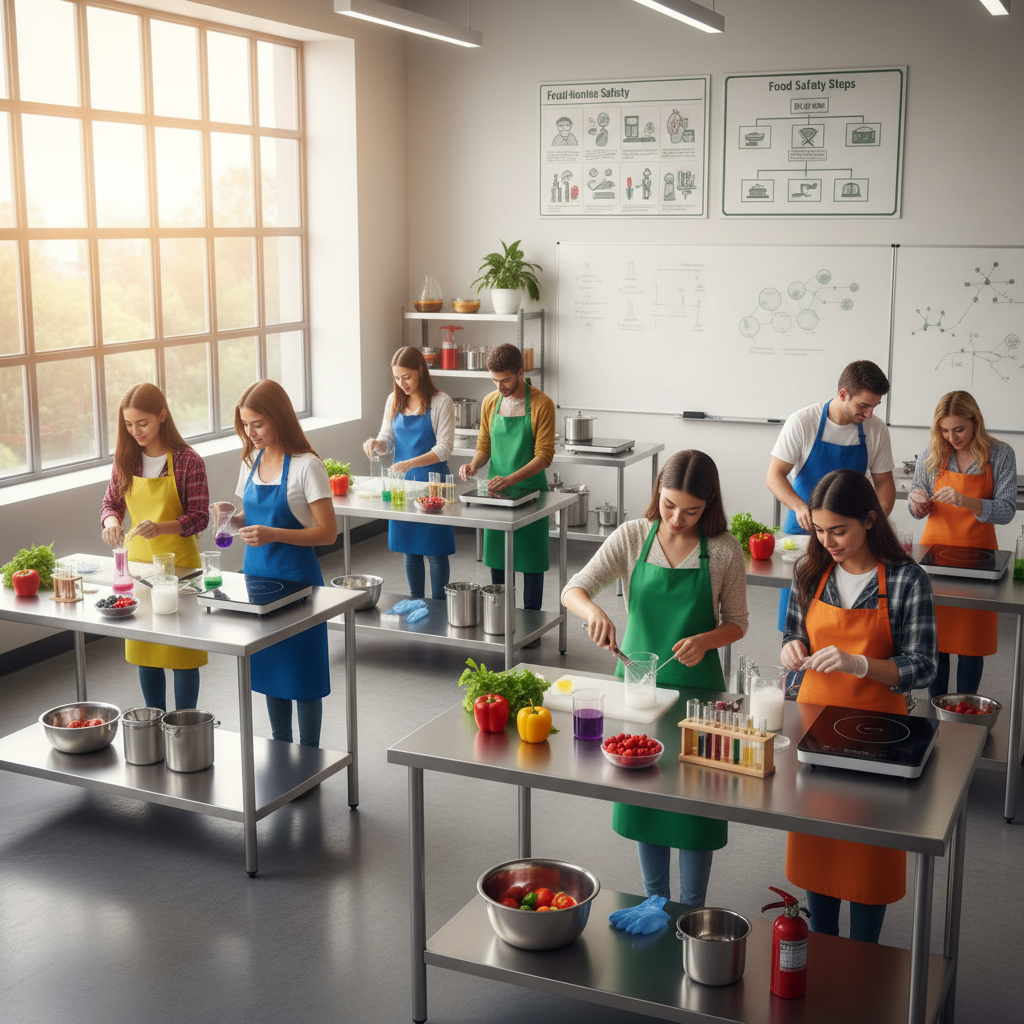
Create a Safe and Engaging Food Science Classroom Setup

Mastering Flavor Balance: A Guide to Taste and Aroma in Food Science

Essential Food Preservation Techniques for Food Science Educators
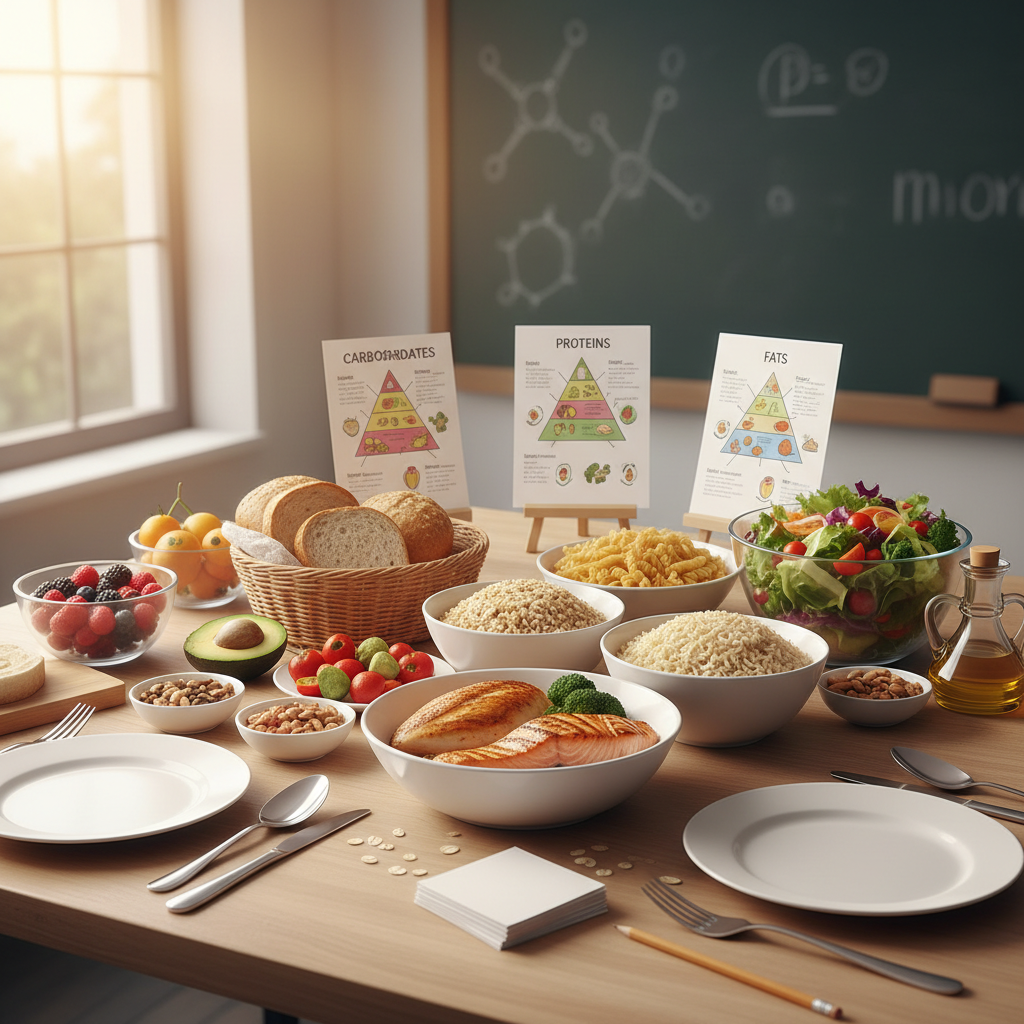
Building Balanced Meals: Understanding Macronutrients in Education

Engaging Students in Food Science: Interactive Lab Activities

Great Food Science Teachers Don't Give All the Answers—They Ask Better Questions

What Worked (and Didn't) in Your Food Science Classroom
Reflecting on Your Food Science Teaching This Year
Low-Stress Food Science Activities for the Last Weeks of School

Engaging Students as the School Year Winds Down

End-of-Year Food Science Projects That Work Every Time

What Students Should Actually Remember From Food Science?

Simple Ways to Wrap Up Your Food Science Units Strong

Helping Students Connect What They Learned in Food Science

Quick End-of-Year Food Science Activities That Still Teach

How to Review Food Safety Without Boring Your Students
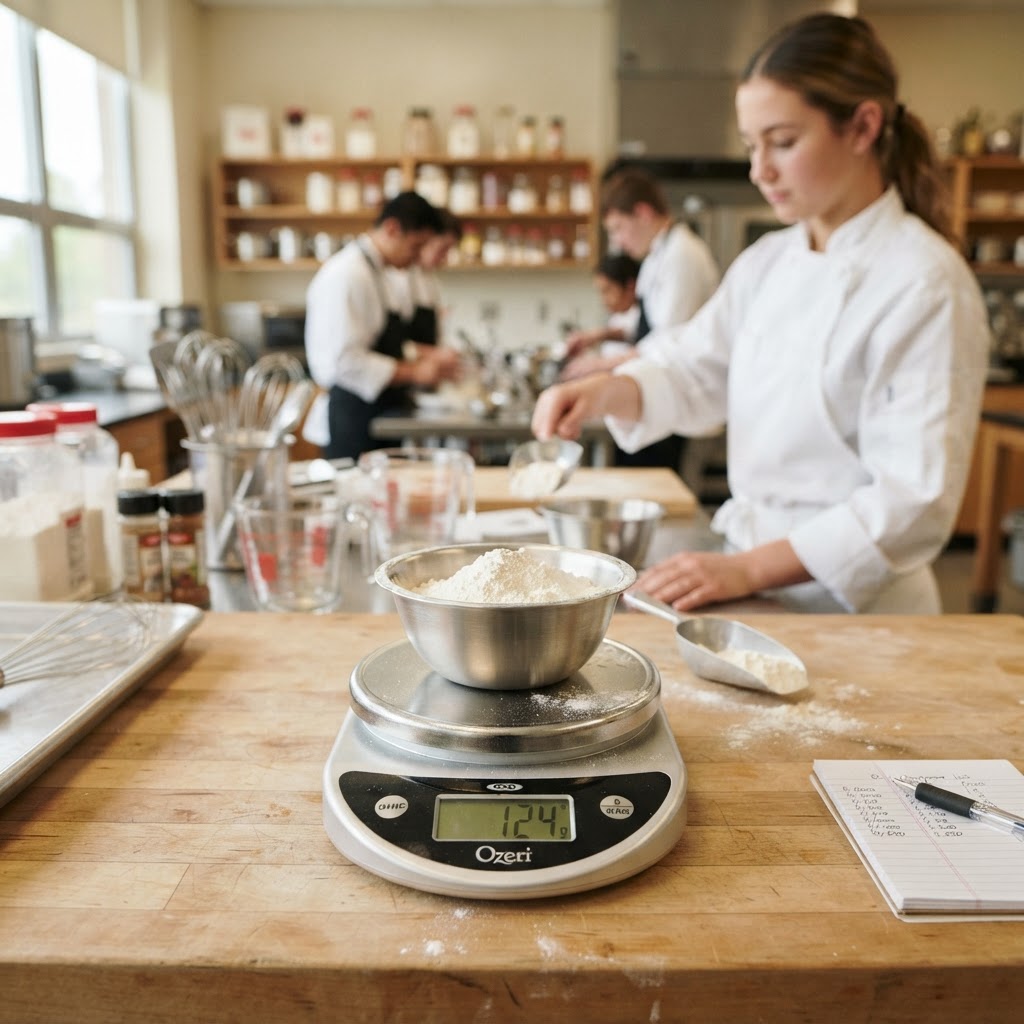
Why Precision Matters: Teaching Volumetric Error and Measurement Science in the Culinary Lab
Why selected: High search interest in 'how to read a recipe' and 'kitchen tools' suggests a need for fundamental technical instruction; this fills a gap in the existing inventory regarding professional measurement precision.
Quality gate passed · 758 words · about grade 11.1