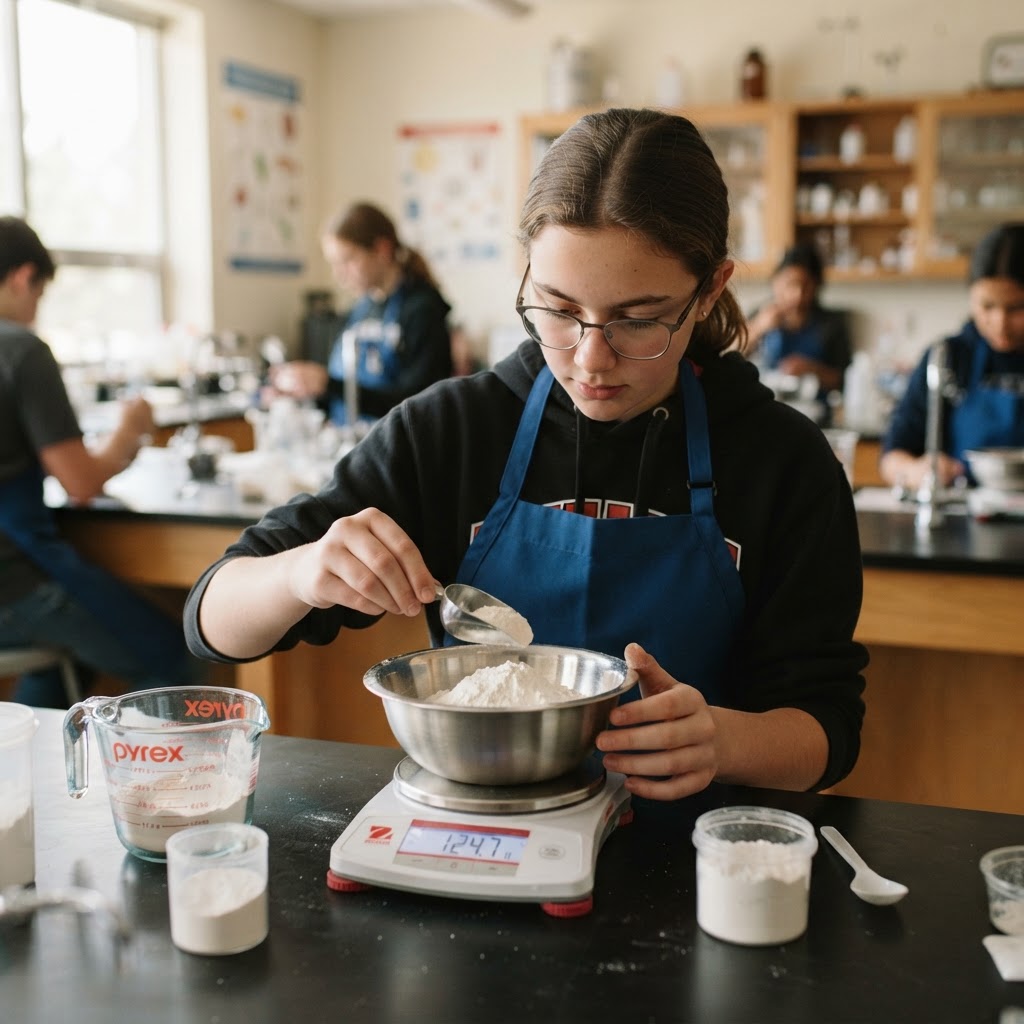
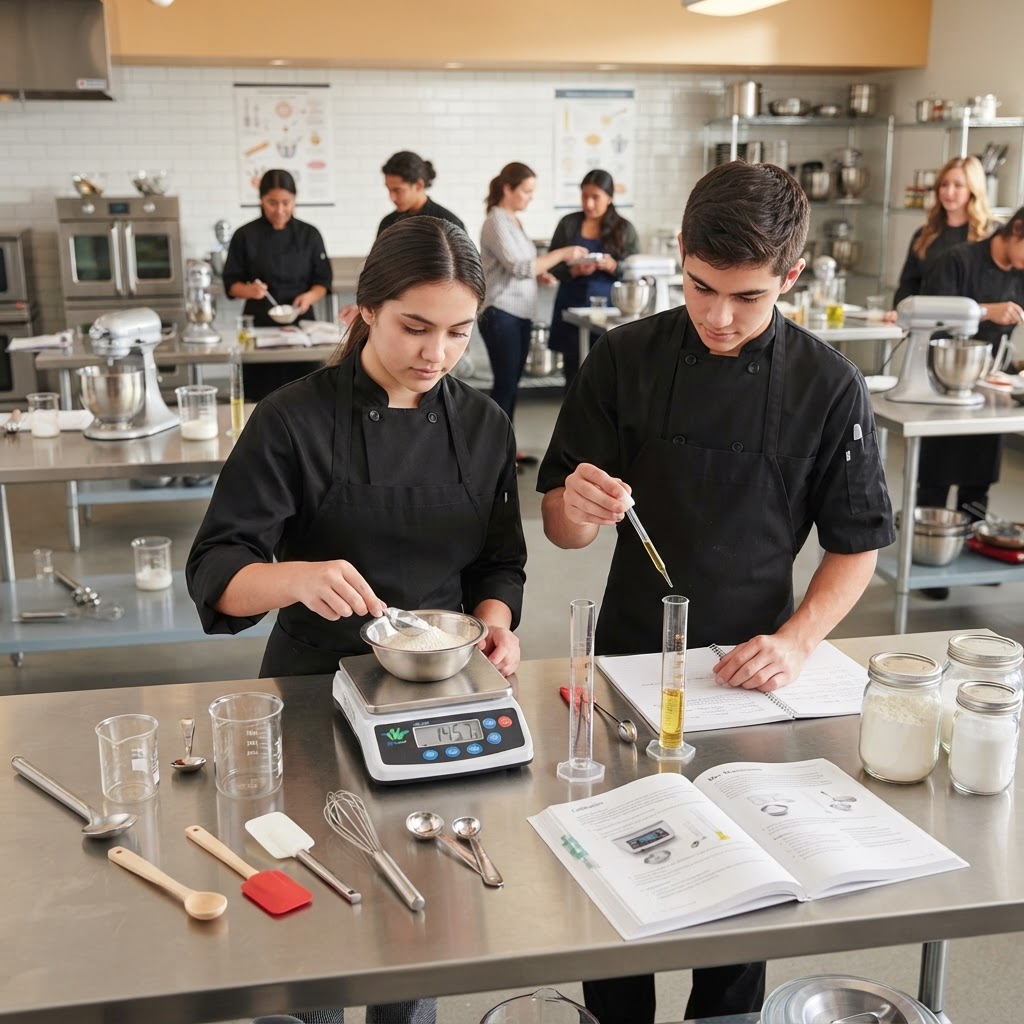
Food ChemistryOct 1, 20264 min readWhy Accuracy Matters: Teaching Students the Science of Precision MeasurementThis guide helps middle school FCS teachers explain the importance of mass-based measurement to ensure success and accuracy in food science labs.Read article →
Food ScienceSep 30, 202611 minWhy Removing Sugar Changes More Than Sweetness: The Science of Sugar in Food
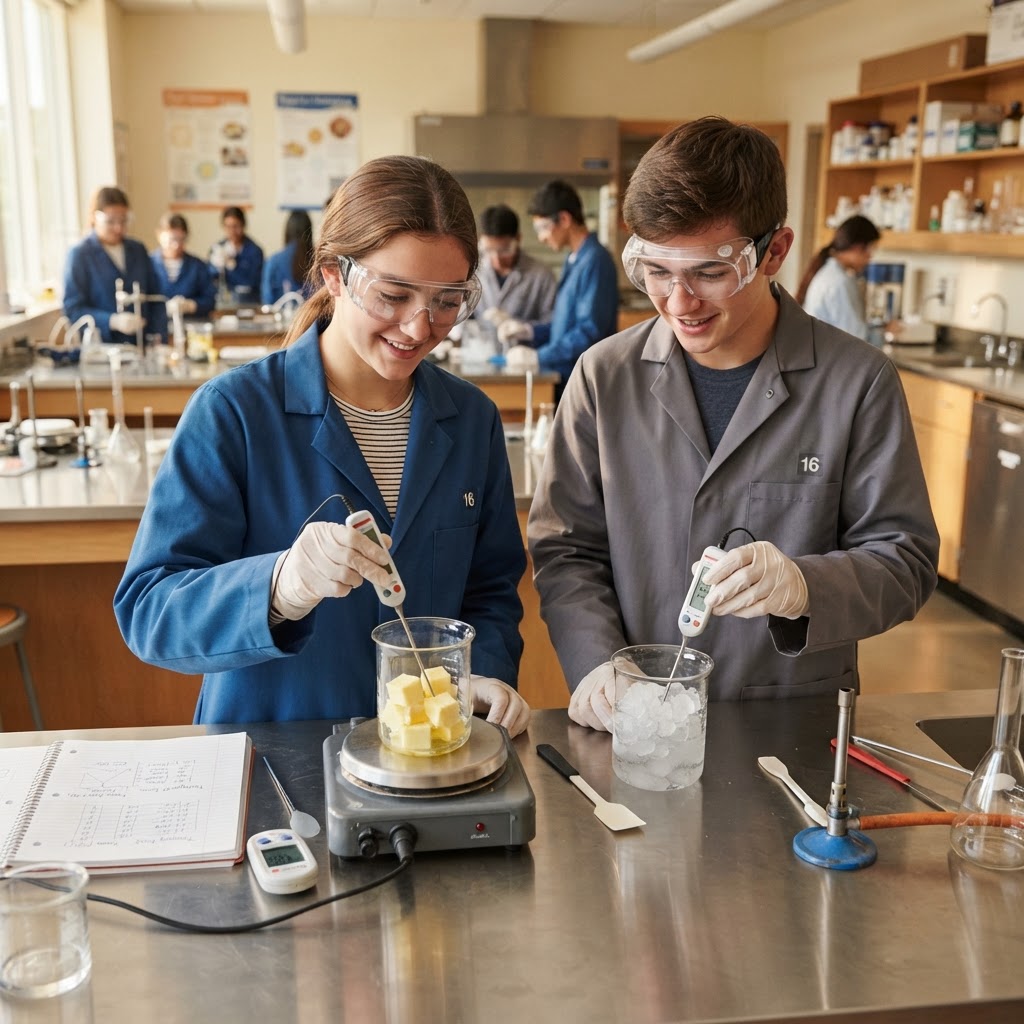
Food ChemistrySep 29, 20264 minFrom Solid to Liquid and Back Again: Teaching Physical Changes in Food
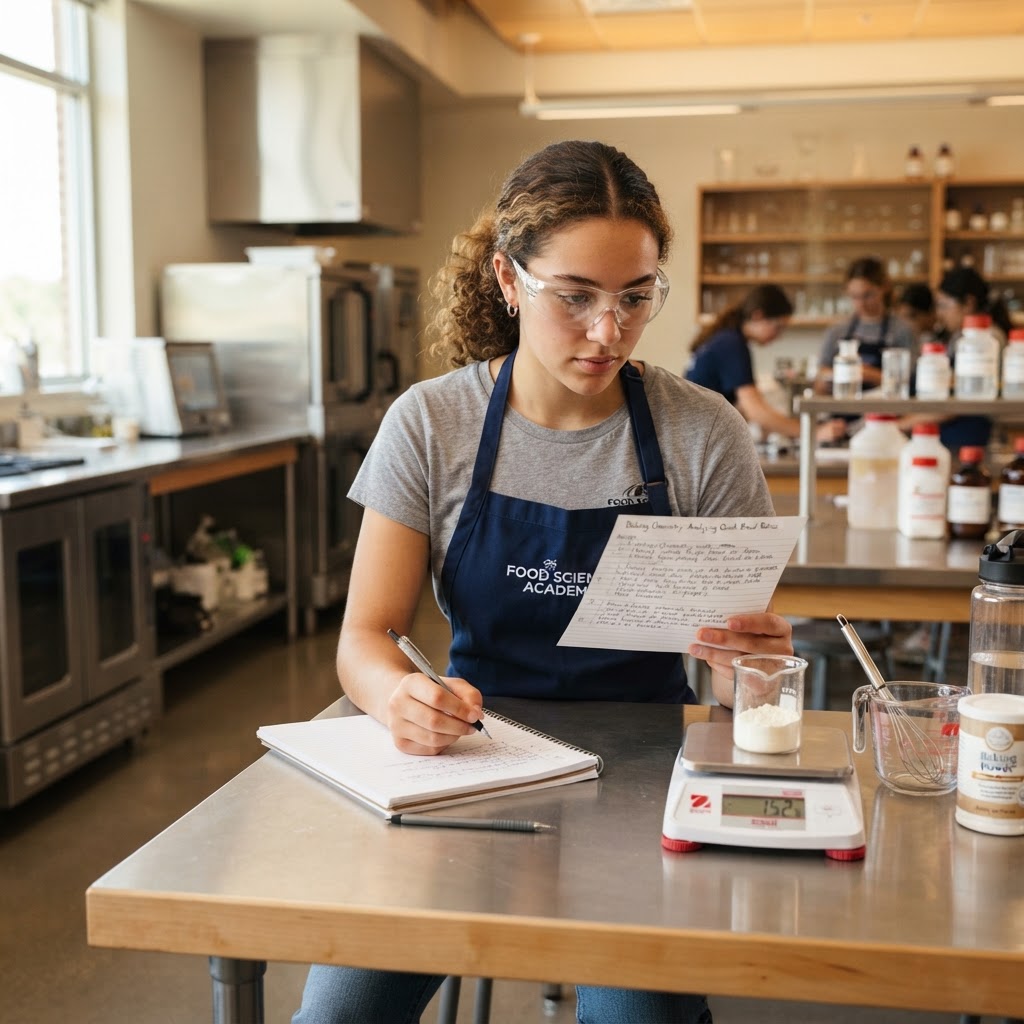
Food ChemistrySep 24, 20264 minBeyond the List: Teaching Students to Critically Read and Deconstruct a Recipe
Food ScienceSep 23, 202610 minWhat Makes Food Turn Brown and Taste Better? The Science of Non-Enzymatic Browning
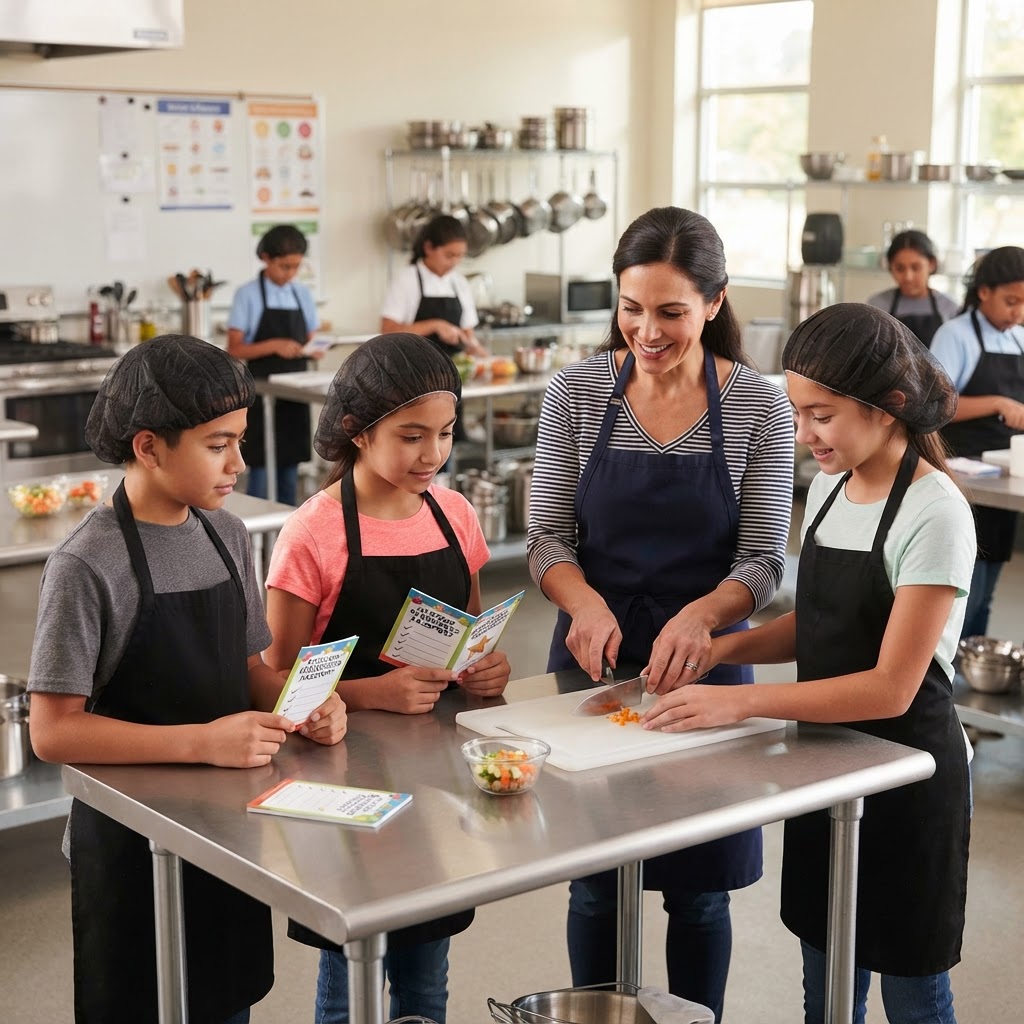
Food SafetySep 22, 20264 min readFrom Chaos to Control: Implementing a Kitchen Readiness Passport SystemThis guide helps teachers implement a passport system to ensure students master essential food safety and sanitation skills in the middle school kitchen.Read article →
Lab ActivitiesSep 17, 20264 min readMeasuring Matters: How to Teach Precision and Consistency in Your Culinary ClassroomThis guide helps culinary teachers instruct students on the critical importance of precision, measurement, and data tracking in the food science laboratory.Read article →
Food ScienceSep 16, 202610 min readHow Do Bacteria Know When to Make Enzymes? Lac Operon vs Trp Operon ExplainedWhy would a tiny bacterium bother making one set of enzymes only when milk sugar shows up, but shut down another set the moment enough tryptophan is around?Read article →
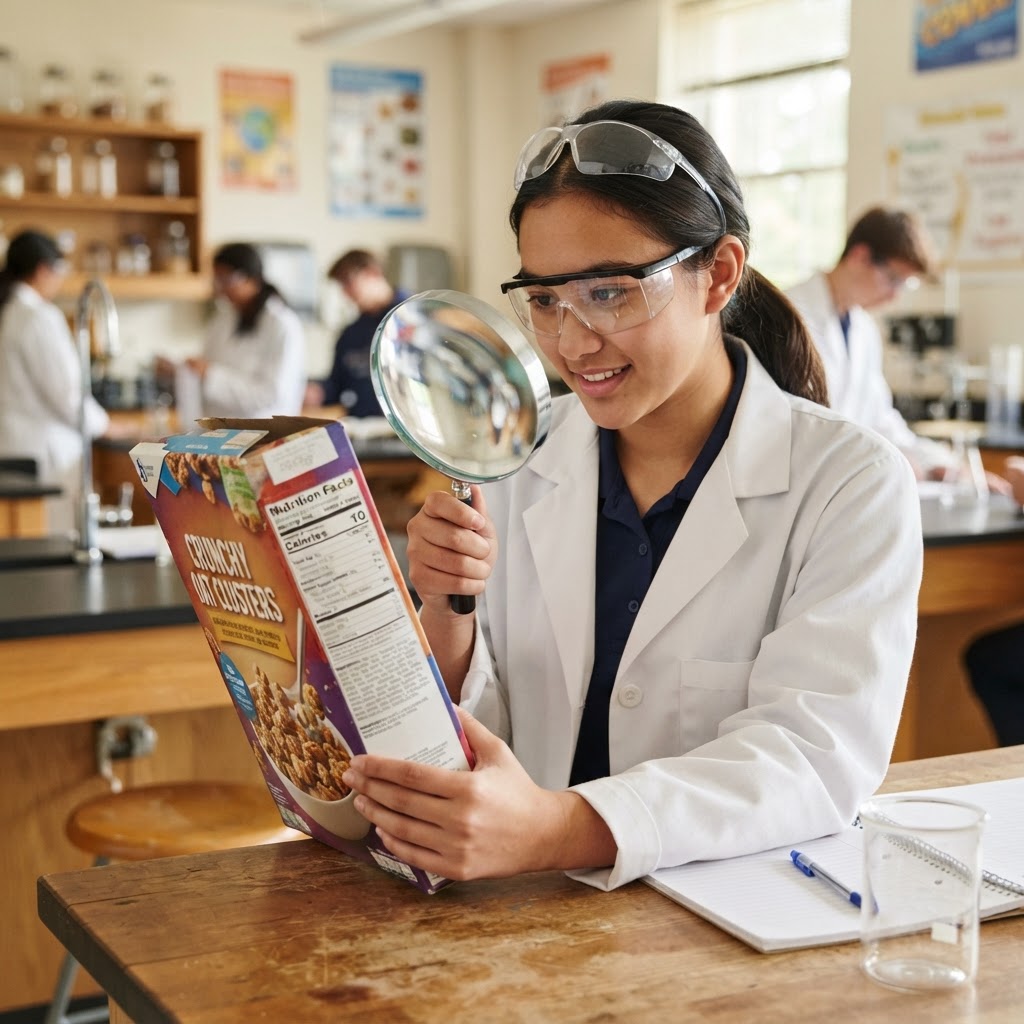
Food ChemistrySep 15, 20264 min readBeyond the Ingredients: How to Teach Students to Analyze Ultra-Processed Food LabelsThis guide provides educators with strategies to help students decode complex food labels and understand the science behind ultra-processed ingredients.Read article →
Food SafetySep 11, 202611 min readWhy Testing Food Isn’t Enough: How HACCP Prevents Problems Before Anyone Gets SickOne bad thermometer reading, one missed cooling step, or one worker who forgets to wash up after handling raw meat can turn an ordinary food into a food safe…Read article →
Food ScienceSep 2, 202610 min readThe Biggest Mistake Students Make Calculating Net Charge: Why Losing Electrons Makes Ions More PositiveWhy does salt make soup taste brighter, gelatin set into a wobble, and mayonnaise hold together instead of breaking?Read article →
Food ScienceAug 28, 202612 min readWhy Wet Foods Don’t Always Spoil Faster: Water Activity ExplainedWhy does a cracker stay crisp on the shelf while a fresh strawberry turns moldy so fast?Read article →
Food ScienceAug 21, 202611 min readHow Do Food Scientists Measure Chewiness, Bounce, and Stickiness? Inside Texture Profile AnalysisWhy does one granola bar snap cleanly while another bends, one yogurt feel silky while another seems rubbery, or one meatball feel tender while another feels…Read article →
Food ScienceAug 19, 202611 min readWhy Moist Foods Can Be Shelf-Stable and Dry Foods Can Spoil: Water Activity ExplainedWhy does a loaf of bread go stale, jerky stay shelf-stable, and jam resist spoilage even though all three still contain water?Read article →