
 Teaching Strategies
Create a Safe and Engaging Food Science Classroom Setup
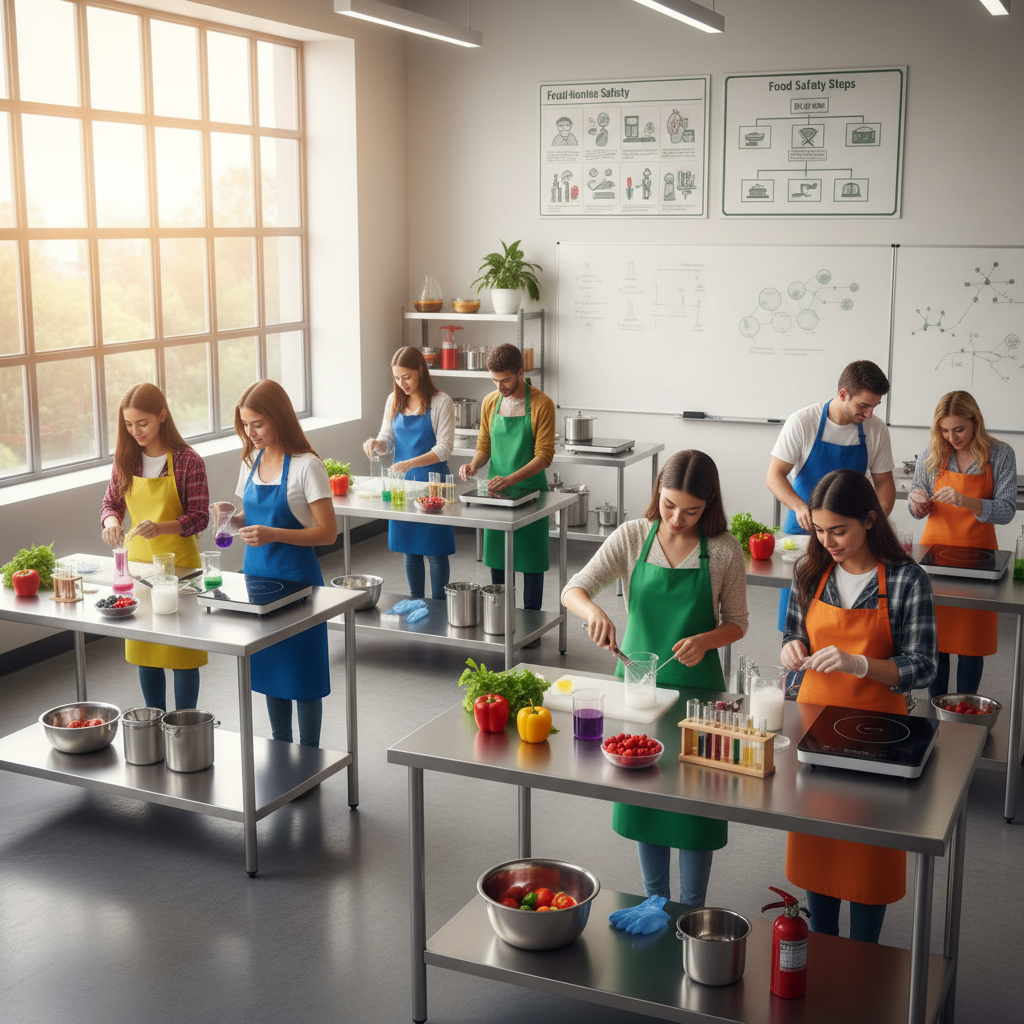
Set the stage for success with effective lab layouts and safety protocols that enhance learning and foster student engagement in food science classes.
A successful food science classroom is more than organized shelves and clean workstations. It is a space where students feel confident working safely, collaborating effectively, and thinking like scientists. Whether students are investigating enzyme activity, evaluating food quality, or preparing recipes, the classroom environment plays a major role in their success.
Taking time to establish clear expectations before the first lab can prevent many classroom management challenges later in the year. Well-designed routines help students spend less time wondering what to do and more time learning through hands-on experiences.
Why a Safe and Organized Classroom Matters
Safety Is the Foundation of Every Lab
Food science laboratories combine the hazards of both a science lab and a teaching kitchen. Students may work with sharp knives, hot equipment, electrical appliances, cleaning chemicals, and food allergens—all while learning new skills.
Establishing consistent safety expectations from the beginning helps reduce the risk of accidents while teaching students the professional habits expected in culinary, food manufacturing, research, and laboratory settings.
Rather than treating safety as a list of rules, make it part of your classroom culture. Students should understand that every safety procedure has a purpose and that following those procedures protects both themselves and their classmates.
Organization Improves Learning
An organized classroom allows students to focus on the lesson instead of searching for equipment or waiting for instructions.
Clearly labeled cabinets, designated ingredient pickup areas, consistent equipment storage, and organized workstations reduce confusion and make lab activities run more efficiently. Students quickly develop confidence when they know exactly where materials belong and what is expected throughout each activity.
Organization also gives teachers more time to observe student learning instead of managing unnecessary interruptions.
Essential Elements of an Effective Food Science Lab
Equip Students for Success
Stock your classroom with equipment that supports both culinary and scientific investigations. Depending on your curriculum, this may include:
Measuring tools
Digital scales
Mixing bowls
Culinary knives
Cutting boards
Food thermometers
pH meters
Timers
Food processors or blenders
Sanitizing supplies
Whenever possible, assign permanent storage locations for every item. Label shelves, drawers, and containers so students can quickly retrieve and return equipment without constant supervision.
Many teachers also find it helpful to create dedicated stations for frequently used materials, such as ingredient distribution, dishwashing supplies, sanitation products, and completed lab work.
Design Collaborative Workspaces
Food science naturally encourages teamwork.
Arrange workstations so students can communicate easily while still having adequate workspace. Well-designed stations encourage discussion, problem solving, and shared responsibility without creating unnecessary congestion.
For larger classes, consider rotating students through specialized stations such as:
Food safety evaluation
Sensory analysis
Product quality testing
Nutrition analysis
Scientific measurements
Station rotations keep students actively engaged while exposing them to multiple aspects of food science during a single class period.
Establish Consistent Lab Routines
Experienced teachers know that routines often matter more than rules.
When every laboratory follows the same sequence, students know exactly what to expect.
A typical routine might include:
Enter the classroom and review the day's objectives.
Put on required personal protective equipment.
Read the laboratory instructions.
Collect ingredients and equipment.
Complete the investigation or food preparation activity.
Clean and sanitize the workstation.
Return all equipment to its designated location.
Complete a final instructor inspection before dismissal.
Following the same routine throughout the year reduces confusion and helps students become increasingly independent.
Build a Strong Safety Culture
Teach Expectations Early
Before beginning the first laboratory exercise, dedicate time to reviewing classroom procedures.
Discuss expectations for:
Knife safety
Proper lifting techniques
Safe equipment operation
Hot surface awareness
Food allergen precautions
Emergency procedures
Appropriate laboratory attire, including closed-toe shoes and hair restraints
Short demonstrations often teach these concepts more effectively than lengthy lectures.
Instead of simply explaining what students should do, show them what correct procedures look like.
Reinforce Safety Throughout the Year
Safety should not be limited to the first week of school.
Begin each lab with a brief safety reminder related to that day's activity. Invite students to identify potential hazards before they begin working. Reviewing real-world examples of common kitchen or laboratory mistakes can also generate meaningful discussions about prevention without creating unnecessary fear.
Many teachers also assign rotating student responsibilities, such as:
Safety monitor
Equipment manager
Ingredient manager
Sanitation manager
Giving students ownership encourages accountability and helps establish safety as a shared responsibility.
Make Sanitation Part of Every Lab
Develop Consistent Cleaning Procedures
Effective sanitation should become an automatic part of every laboratory exercise rather than an afterthought.
Assign clear responsibilities so every workstation is cleaned, sanitized, and inspected before students leave the room.
A simple cleaning checklist might include:
Wash dishes and utensils.
Sanitize work surfaces.
Return equipment to storage.
Properly dispose of waste.
Store leftover ingredients correctly.
Sweep or wipe the workstation if necessary.
Consistent expectations help students develop professional habits that extend well beyond the classroom.
Teach Food Safety Through Practice
Food safety becomes much more meaningful when students apply it during laboratory activities.
Discuss topics such as:
Cross-contamination
Proper handwashing
Safe cooking temperatures
Time and temperature control
Food storage
Personal hygiene
Whenever possible, connect these concepts directly to the day's lab. For example, while preparing raw poultry, students can identify potential cross-contamination risks and explain the steps needed to prevent them.
These real-world applications help students understand that food safety is an essential part of every food science investigation.
Classroom Takeaways
Label every cabinet, drawer, and storage area before the first lab.
Create designated stations for ingredient pickup, equipment return, and sanitation supplies.
Establish one consistent laboratory routine and follow it throughout the school year.
Assign rotating student responsibilities to encourage accountability and teamwork.
Reinforce one safety concept at the beginning of every laboratory activity.
Use every lab as an opportunity to teach food safety through practical application rather than lecture alone.
Conclusion
Creating a safe and engaging food science classroom begins long before students prepare their first recipe or conduct their first experiment. Clear routines, organized workspaces, consistent expectations, and practical safety instruction create an environment where students can focus on learning instead of uncertainty.
Many classroom management challenges can be prevented simply by investing time in thoughtful planning before the school year begins. Small improvements—such as labeling storage areas, organizing ingredient stations, or standardizing cleanup procedures—can make every laboratory run more smoothly.
Students may not remember where every measuring cup was stored, but they will remember a classroom where they felt confident, prepared, and excited to learn. A well-organized food science lab doesn't just improve efficiency—it creates the conditions for curiosity, collaboration, and meaningful learning to flourish throughout the entire school year.
Was this article useful?
Sign in with a free or paid account to react. A paid plan is not required.
Enjoy this post? Subscribe to get new Food Science Toolbox articles delivered to your inbox.