
 Nutrition
Building Balanced Meals: Understanding Macronutrients in Education
Discover how to teach the importance of macronutrients in crafting balanced meals, enhancing student understanding and engagement in food science.
When students walk into a food science classroom, they might think they’re just preparing tasty meals, yet there’s so much more happening behind the scenes. Every ingredient they work with provides essential nutrients that play a vital role in their health and well-being. As teachers, you have the opportunity to engage your students in understanding how food is not just for sustenance but a key player in building a balanced lifestyle.
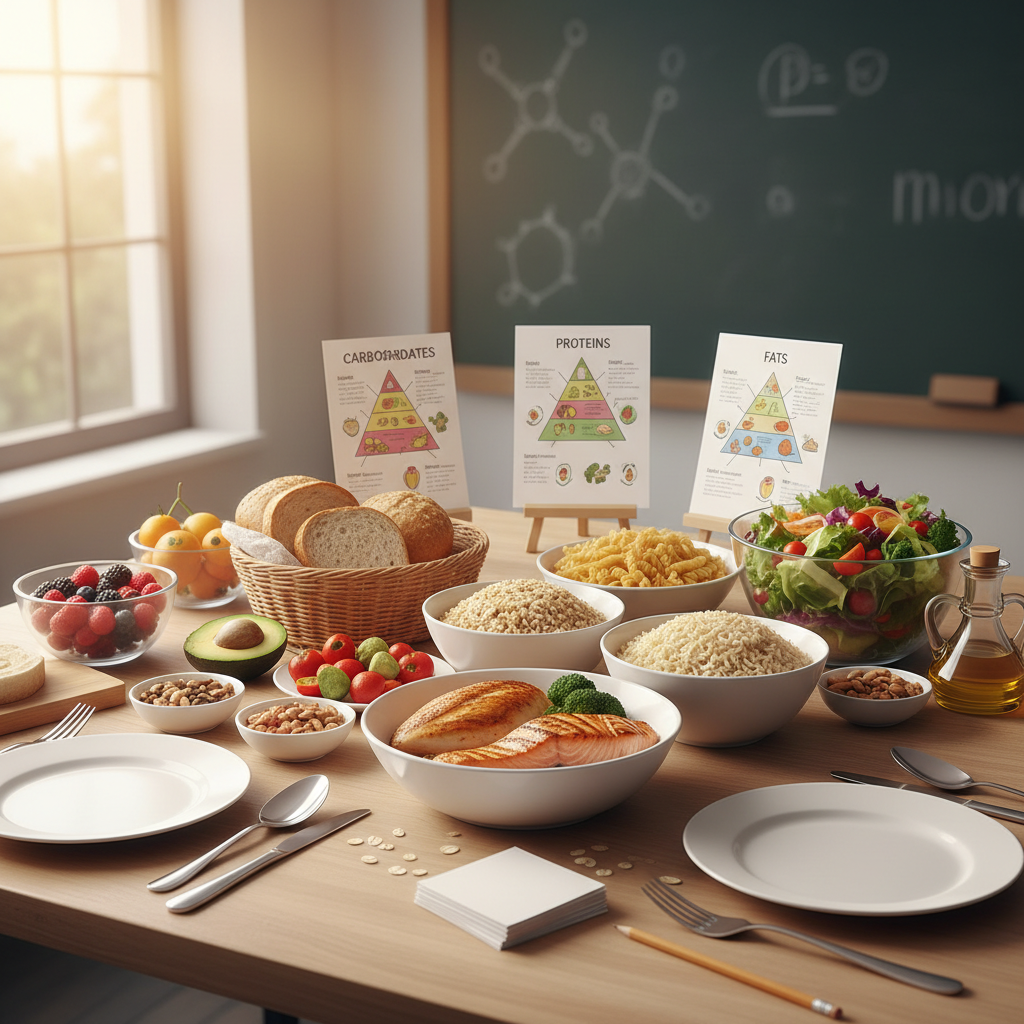
Discussing macronutrients—carbohydrates, proteins, and fats—can spark curiosity and inform the choices students make every day. This topic matters because it empowers students to not only enjoy what they eat but to also understand how to create meals that nourish their bodies. In this article, you’ll find practical insights and strategies for teaching macronutrients effectively, helping your students become informed consumers and confident meal creators.
Introduction to Macronutrients
Have you ever asked your students why they favor certain foods over others? What if you could transform that curiosity into a lesson about health and nutrition? Encouraging young minds to understand the science of nutrition is essential, especially in an age of information overload. One way to do this effectively is by exploring macronutrients—carbohydrates, proteins, and fats—which are the basic building blocks of our diet. Through understanding these essential nutrients, your students will not just enhance their food choices, but also learn the invaluable skill of crafting balanced meals, setting the foundation for healthier lifestyles.
This article aims to equip you with engaging methodologies to teach your students about macronutrients. You’ll discover how to break down the importance of each nutrient, teach them how to read food labels, encourage balanced meal planning, and foster engagement through hands-on activities. By understanding these concepts, your students will be well-prepared to make informed nutritional choices.
Understanding the Three Macronutrients
Carbohydrates
Carbohydrates often have a bad reputation, but they play a vital role in human nutrition by providing energy. Imagine your body as a car; carbohydrates are like gasoline that powers the engine. They come in two forms: simple and complex. Simple carbohydrates, such as sugars found in fruits and candy, provide quick energy bursts while complex carbohydrates—like whole grains and legumes—offer a slower energy release with added fiber, which helps maintain stable blood sugar levels.
In a classroom setting, you can bring this concept to life by conducting an activity where students classify different foods into simple and complex carbohydrates. Show them how to read the glycemic index of foods, highlighting how choosing complex carbs not only fuels the body more sustainably but also contributes to digestive health. You might even challenge them to create snack ideas using complex carbohydrates for sustained energy boosts, which could spark creativity while reinforcing nutritional knowledge.
Proteins
Next up is protein, a crucial macronutrient vital for growth, repair, and maintenance of body tissues. Proteins are made up of amino acids, some of which our bodies can’t synthesize and must be obtained from food. Think of proteins as the construction workers of your body, helping build and repair cells and tissues. This is especially relevant for teenagers, who are going through rapid growth and development.
Encourage your students to examine their food choices for protein sources, which can be found in both animal-based foods (meat, fish, dairy) and plant-based options (beans, nuts, seeds). To make this engaging, consider a cooking demonstration focused on creating a protein-rich dish. You could prepare a quinoa salad, explaining how quinoa is a complete protein, making it an excellent choice for vegetarians and vegans. This activity will solidify the concept of proteins in a fun and interactive way.
Fats
Lastly, let's talk about fats. Often misunderstood, healthy fats are necessary for bodily functions such as nutrient absorption, hormone production, and brain health. There are different types of fats: unsaturated fats, found in foods like avocados and olive oil, and saturated fats, which should be consumed in moderation, such as those in red meats and dairy products. Trans fats, often found in processed foods, should be avoided altogether.
You can challenge your students to think critically about the types of fats they consume daily. A great activity for this is to have them review their favorite recipes and identify where healthy fats can be incorporated to enhance their meals. For example, adding nuts to a vegetable stir-fry or drizzling olive oil over roasted vegetables can elevate both flavor and nutrition, resulting in a healthier balanced meal.
Reading Food Labels
Food labels are treasure maps for making healthier food choices, and it’s essential for students to become savvy navigators. Understanding how to interpret these labels can empower students to take control of their diets. Start by teaching them to look for key information: serving sizes, calories, and the breakdown of macronutrients. Explain the difference between total fats, saturated fats, and trans fats, and why it's important to monitor these in their diets.
To make this exercise interactive, create a fun competition in your classroom where students bring in various packaged foods and dissect their nutrition labels. Have small groups present their findings, focusing on the macronutrients and how they contribute to or detract from a balanced diet. This way, you're not just teaching theory; you're giving them practical skills they can use in real-life situations.
Creating Balanced Meals
Crafting balanced meals involves blending the right proportions of carbohydrates, proteins, and fats to create satisfying and nutritious plates. The Dietary Guidelines suggest that meals should consist of a variety of food groups, including fruits, vegetables, grains, protein sources, and healthy fats. A well-balanced meal doesn't just meet macronutrient needs; it also ensures that students obtain necessary vitamins and minerals, supporting overall well-being.
To help students develop this skill, consider providing them with scenarios where they must plan meals for different dietary needs (athletes, vegetarians, or individuals with food allergies). You can teach them to use the MyPlate guidelines as a visual tool to incorporate all food groups effectively. Encourage them to think creatively—what would a balanced meal look like for a student on a budget? What about for one who’s juggling a busy schedule? This exercise fosters critical thinking about food choices and promotes empathy as they learn more about dietary restrictions and diverse eating habits.
Classroom Activities
Meal Planning Simulations
Hands-on meal planning simulations can significantly enhance engagement and learning. Break students into small groups and assign them the task of planning a day’s worth of balanced meals based on a specific dietary guideline, like the USDA’s MyPlate. Each group can research and prepare some fun presentations on their meals, focusing on macronutrient breakdown and the benefits those nutrients provide.
Cooking Demonstrations
Nothing solidifies food science concepts like seeing them in action. By conducting cooking demonstrations, you can show students how to actually prepare balanced meals. Choose recipes that incorporate all three macronutrients, and explain the role each ingredient plays as you cook. This hands-on experience not only reinforces their learning but also enhances their practical cooking skills.
Label Analysis Exercises
Incorporating food label analysis is another effective classroom activity. Bring a variety of food products into the classroom and guide students in practicing how to read and interpret nutrition labels. You could even create a “label scavenger hunt” where students must find specific nutrients or fulfill certain criteria. This will help them develop the skills they need to make informed choices in the grocery store.
Classroom Takeaways
Incorporate hands-on activities like meal planning simulations to engage students with nutrition concepts.
Use real-world examples and local cuisine to make lessons relatable.
Conduct cooking demonstrations that illustrate the macronutrient concepts in action.
Integrate food label analysis exercises into the curriculum to empower informed food choices.
Encourage discussions about the impact of food choices on health and well-being.
Conclusion
Understanding macronutrients and their roles in nutrition is an invaluable lesson for your students, laying the groundwork for lifelong healthy eating habits. By incorporating engaging activities and practical applications, you can foster critical thinking about food choices, helping them connect science with their everyday lives. So, why not try introducing a cooking demonstration or a food label analysis exercise in your next class? You'll be surprised at how enthusiastic students can be when given the tools to empower their choices—turning food science into a personal exploration of health and nourishment.
Was this article useful?
Sign in with a free or paid account to react. A paid plan is not required.
Enjoy this post? Subscribe to get new Food Science Toolbox articles delivered to your inbox.