
 Food Science Lab
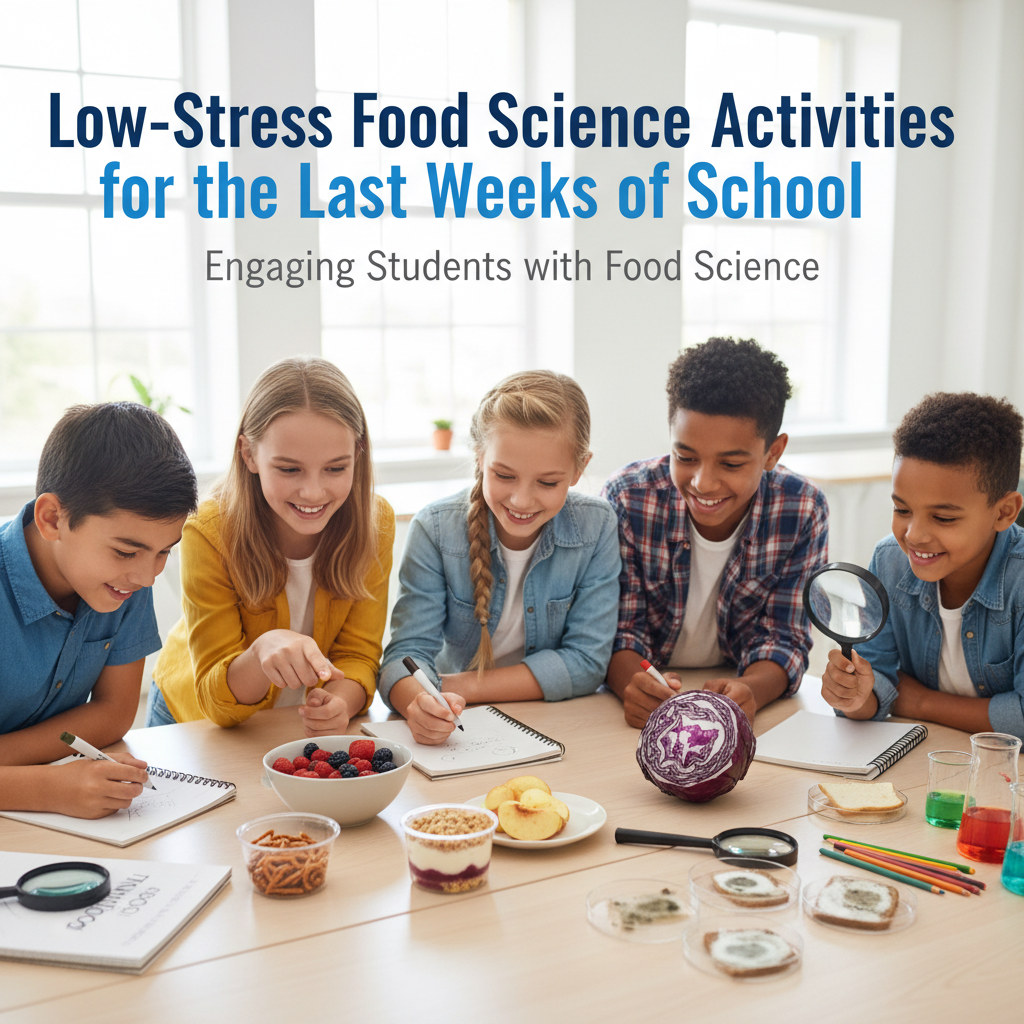
Low-Stress Food Science Activities for the Last Weeks of School
Revitalize the end of the school year with engaging, stress-free food science activities that spark curiosity and make learning deliciously fun for your students.
Engaging Students with Food Science
In the final weeks of school, both teachers and students are ready for a break. It's a time when energy may wane, but excitement can still flow. How about using this opportunity to explore food science through low-stress activities? These engaging, simple tasks can spark curiosity and allow students to observe and experiment without heavy demands on your time or resources.
Food Observation Journals
One enjoyable way to encourage curiosity is through a food observation journal. This activity requires minimal setup. All you need is some paper or notebooks and a selection of various foods. Have students choose different items they would like to observe—fruits, vegetables, snacks, or even packaged meals.
Instruct students to start their journal by describing the food's appearance. What colors do they see? What shapes and sizes stand out? Encourage them to note their initial thoughts about how the food might taste based on its looks. This exercise promotes observational skills and reinforces the importance of sensory evaluation in food science.
Taste Testing with Reflection
Another fun activity is a taste test. It’s simple and can be done with a variety of foods like fruits, snacks, or sauces. Gather a few different options to compare—think about textures or flavors. This can even be a way to introduce students to concepts like flavor profiles or taste sensations.
Before the tasting, encourage students to discuss what they expect from each item. This gets them thinking about their prior experiences. During the tasting, have them rate each food based on flavor, texture, and how much they enjoyed it. After the taste test, facilitate a discussion where students can share their favorite and least favorite parts. This reflection helps them articulate their experience and connections to food science.
Quick Demonstrations of Food Science Principles
Demonstrations can be a great way to illustrate food science concepts without needing extensive materials. For instance, you can show how emulsification works using oil and vinegar. Just mix them in a jar and shake. At first, they'll separate, but if you add a little mustard (an emulsifier), they can form a stable mixture. Students can observe this change and discuss how emulsions like salad dressings are created in everyday cooking.
Another simple demonstration is filling balloons with water that contains different amounts of sugar. For example, one balloon can contain plain water, another can contain water with a small amount of sugar, and another can contain water with a larger amount of sugar. The balloons act as flexible containers that can safely expand as the liquids freeze. After placing them in the freezer, students can compare which balloons freeze solid and which remain softer or slushy. This helps demonstrate freezing point depression, where dissolved sugar lowers the temperature at which a liquid freezes. The activity can also lead to conversations about why products like ice cream stay softer and creamier than plain ice. These activities not only demonstrate scientific principles but allow students to connect with the material in a memorable way.
Creating a Class Recipe Book
Lastly, consider having the students compile their favorite recipes into a class recipe book. Each student can contribute one recipe, detailing the ingredients and steps, along with a brief explanation of the science behind one of the key ingredients. For example, they might explain how baking powder works as a leavening agent in their favorite cake recipe. This promotes collaboration and gives students ownership in the learning process while enhancing their writing skills.
Key Takeaway
As the school year winds down, engaging students with simple, low-stress food science activities can keep their interest piqued. Food observation journals, taste tests, demonstrations, and collaborative projects are easy to implement and fun for everyone. These activities not only reinforce scientific concepts but also help students connect with food in a deeper way, making science relevant and enjoyable.
Was this article useful?
Sign in with a free or paid account to react. A paid plan is not required.
Enjoy this post? Subscribe to get new Food Science Toolbox articles delivered to your inbox.